
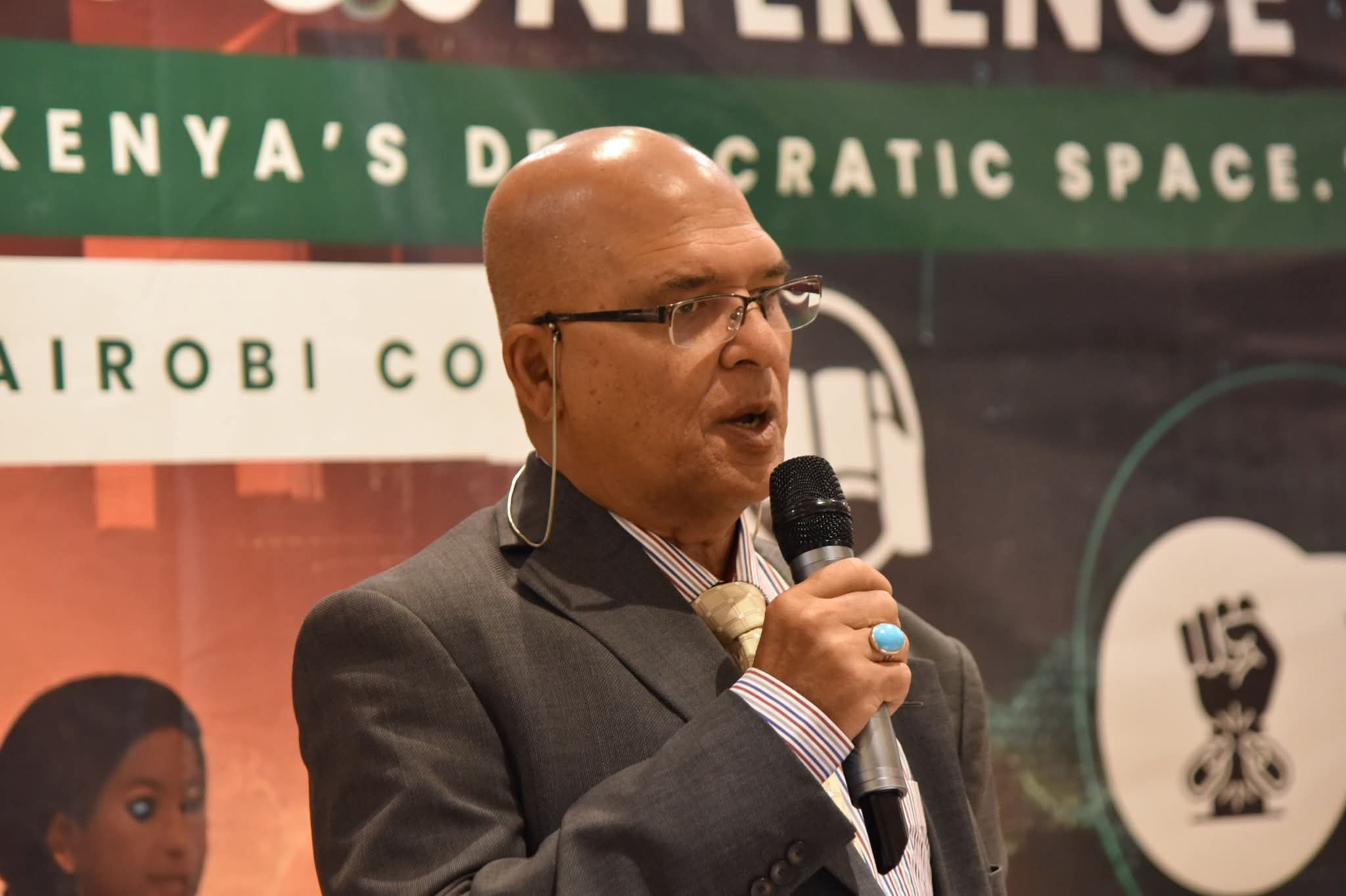
 APNAC Kenya Chairman Hon. Shakeel Shabbir Speaking during the 3rd Annual Media & CSOs Stakeholders Conference held in Nairobi on November 19, 2025. Photo Courtesy.


By Andrew Mbuva
At the 3rd Annual Media & CSOs Stakeholders Conference held in Nairobi, APNAC Kenya Chairman Hon. Shakeel Shabbir issued a powerful call for the urgent passage of a comprehensive whistleblower protection law, warning that Kenya’s fight against corruption will remain “incomplete and vulnerable” unless truth-tellers are shielded from retaliation.
Addressing journalists, civil society leaders and transparency champions, Hon. Shakeel said the country owes its progress in exposing graft to “courageous men and women who risk everything to reveal the truth,” yet these individuals continue to suffer for their bravery.
“Those who expose corruption often face isolation, intimidation, professional reprisals, and even threats to their lives,” he said. “This must change.”
Hon. Shakeel referenced recent high-profile cases that have highlighted the dangers faced by whistleblowers in Kenya.
He cited the example of CPA Spencer Sankale, who uncovered the Mara University scandal but later suffered “immense personal and professional consequences.”
He also pointed to the case of CPA Andrew Kipkurui Rotich of the Social Health Authority, whose revelations on alleged billing irregularities triggered public debate and raised fears of retaliatory action.
“Regardless of official explanations, the perception and lived experience of retaliation speak loudly,” Hon. Shakeel said. “His case illustrates the real-life hurdles whistleblowers continue to face when they dare to reveal the truth.”
In his remarks, Hon. Shakeel reaffirmed APNAC Kenya’s commitment to championing a strong legal framework that protects informants and reinforces accountability.
“We are actively advocating for the enactment of a strong and comprehensive Whistleblower Protection Law—one that guarantees confidentiality, shields whistleblowers from reprisals, and provides accessible avenues for legal protection,” he said.
Such a law, he noted, is essential if Kenya is to make meaningful progress in combating graft.
Hon. Shakeel also announced a major technological intervention in APNAC’s anti-corruption strategy — the Shahidi App, currently under development.
The app will provide whistleblowers, journalists, civil servants, and citizens with a secure, encrypted platform to report graft anonymously.
“Shahidi—meaning ‘witness’—will harness technology to build trust, protect informants, and ensure credible intelligence reaches oversight bodies,” he explained.
The platform will also feature a reward mechanism for verified reports of corruption, a move expected to encourage reporting and strengthen accountability networks.
APNAC, he added, hopes to collaborate closely with journalists once the app is operational:
“Together, we can transform credible information into impactful public awareness and reform.”
Hon. Shakeel praised the media for its role in exposing wrongdoing and holding public institutions to account.
“To the journalists present: your uncompromising pursuit of truth is invaluable,” he said. “To civil society: your advocacy continues to shape the national integrity landscape.”
He concluded with a solemn recognition of the many individuals who have risked their safety to fight corruption: “We see you, we honor you, and we are committed to protecting you.”