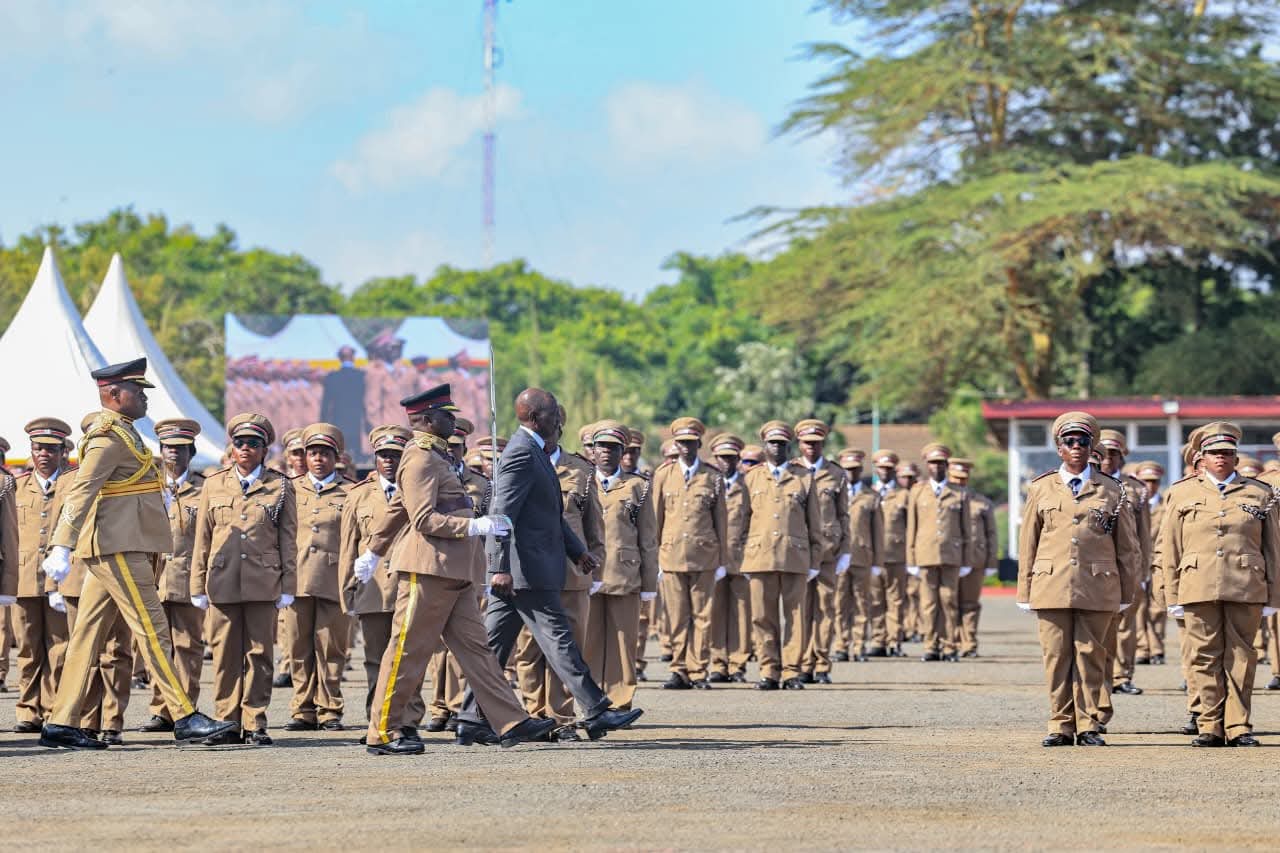
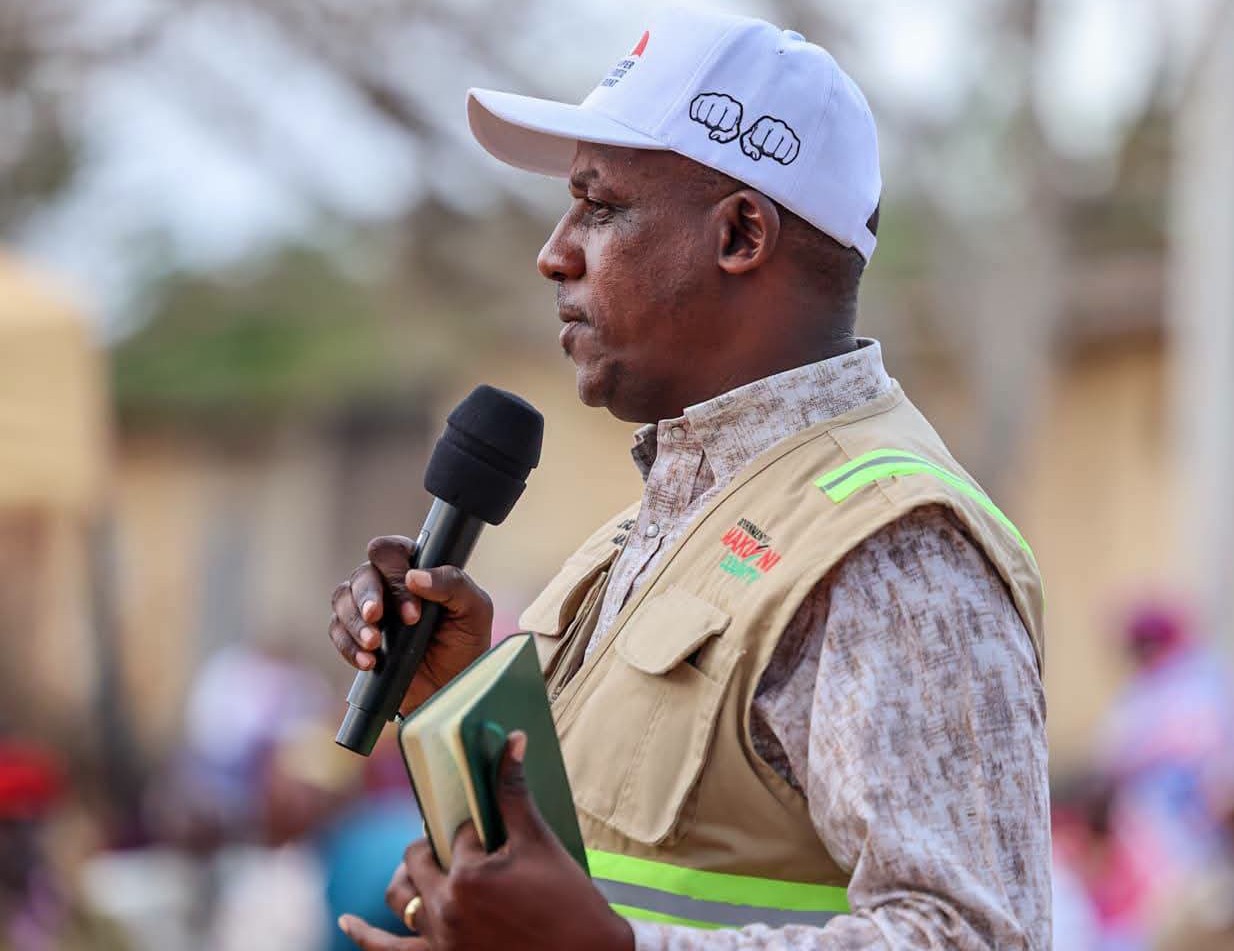
 Makueni Governor Mutula Kilonzo speaking in Mavindini on September 9, 2026. Photo Courtesy.


By Andrew Mbuva.
Makueni Governor Mutula Kilonzo Junior has apologised to clinical officers who were attacked by goons during a peaceful demonstration in Wote town, saying he deeply regretted the violence directed at the health workers.
Speaking during a press briefing on Wednesday, Governor Mutula said he had received reports that clinical officers, some of whom had travelled from other counties and included national officials of the Kenya Clinical Officers Association, were coming to Makueni to present their grievances.
“I want to apologise to the clinical officers who had come to Makueni, many of them from other counties, and who are leaders of clinical officers in Kenya, for what happened,” Mutula said.
He explained that after learning of the planned demonstration, he instructed the County Secretary to receive the officers’ petition and establish their grievances.
The governor maintained that he has consistently supported health workers in their push for better working conditions, recalling his involvement in defending doctors who were arrested during previous industrial disputes.
“If there is somebody who defends doctors, it is me,” he said, citing his efforts alongside lawyer James Orengo to ensure health workers were not victimised for demanding their rights.
Mutula said the current dispute involving clinical officers largely revolves around two outstanding issues arising from an agreement signed with the Public Service Commission in 2024.
According to the governor, one of the demands is the establishment of a Director of Clinical Services position.
He said the county government agrees that the position should be created but insisted that it must be filled competitively and in accordance with the law.
“Nobody can be pointed at and told, ‘You are the director.’ It must be done competitively and according to the law,” he said.
The second issue, Mutula said, involves salaries for clinical officers whose job groups were reviewed.
He said the officers want their salaries restored to the levels agreed upon when they signed the agreement with the Public Service Commission.
Mutula disclosed that implementing the salary component would require approximately Sh10.7 million, adding that the county was already facing significant budgetary pressure following salary adjustments by the Salaries and Remuneration Commission (SRC).
He said the county had raised the matter with SRC, questioning why salary changes were being introduced after county budgets had already been prepared.
“We told them to wait because we will be able to find the money and address the issue. Creating the position of Director of Clinical Officers is not something that is difficult,” he said.
The governor also addressed the ongoing dispute involving nurses, saying negotiations were still underway to resolve their grievances.
He revealed that the Council of Governors had held discussions with SRC and was continuing with consultations over allowances demanded by health workers, including hardship allowances.
“Some of these allowances are received by some people while others do not get them. This is a budgetary issue and it can be resolved,” Mutula said.
He said consultations involving the Council of Governors were continuing as counties sought a sustainable solution to the demands by health workers.
Mutula further rejected calls by Central Organisation of Trade Unions (COTU) Secretary-General Francis Atwoli to have health services returned to the national government.
He argued that counties understand the specific healthcare needs of their residents better than officials at the national level.
“I completely disagree with Mr Francis Atwoli when he says health should go back to the national government,” Mutula said.
He questioned whether officials at Afya House would know the specific challenges facing small health facilities such as dispensaries in rural areas.
“Who at Afya House knows that there is a dispensary called Muusini?” he posed.
Mutula said returning healthcare management to the national government would undermine efforts to address local healthcare challenges.
He instead called on the national government to allocate more resources to counties to enable them to improve healthcare services.
The governor noted that the national government had allocated Sh173 billion in its health budget and questioned how the money would be utilised while counties continued to face financial constraints.
“Why have they set aside so much money? What is it for? Couldn’t that money be given to governors? We, as governors, know what needs to be done in our areas for people to receive services,” he said.
Mutula said the priority should be strengthening devolution and ensuring counties have adequate resources to deliver healthcare while addressing legitimate grievances raised by health workers through dialogue rather than confrontation.