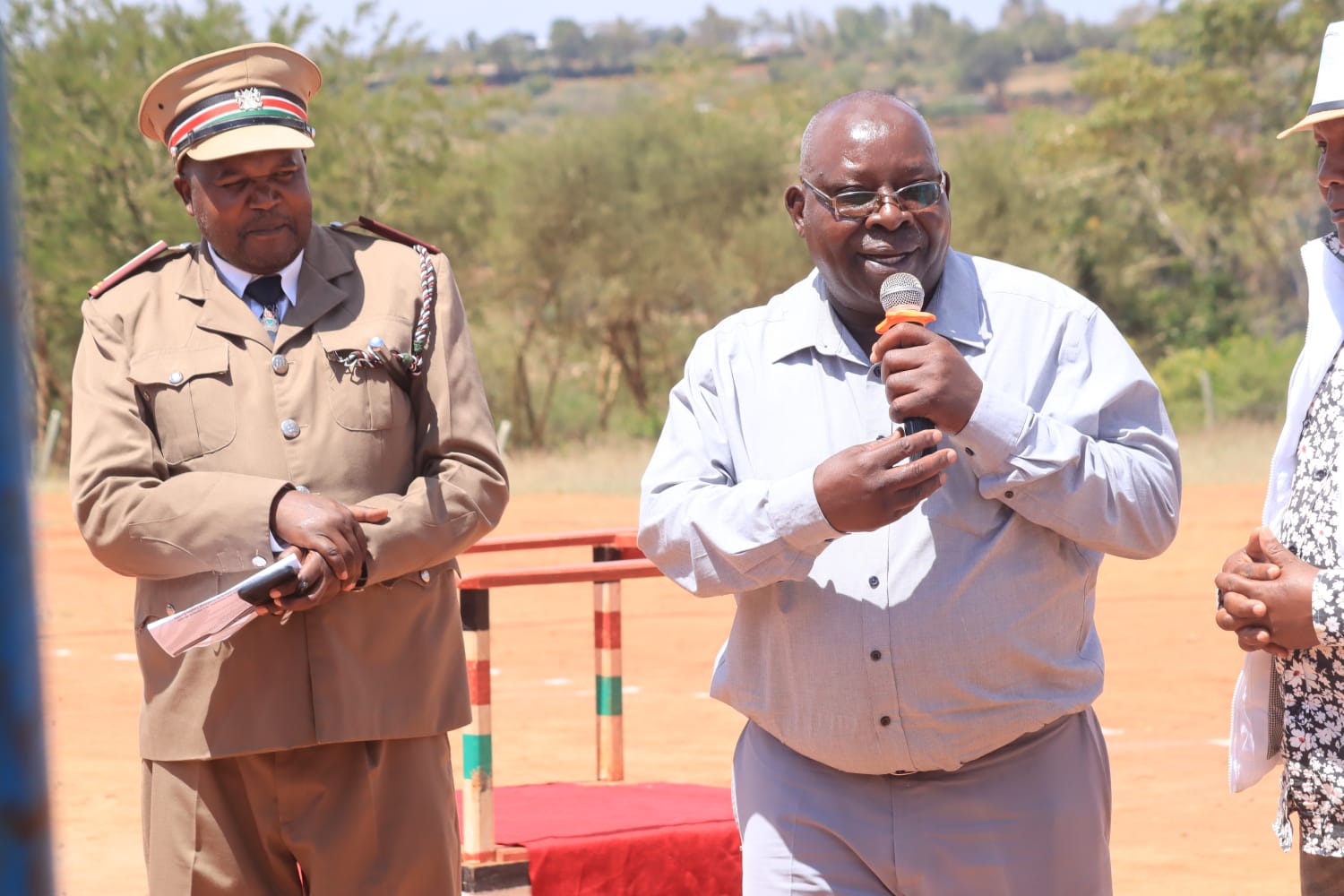
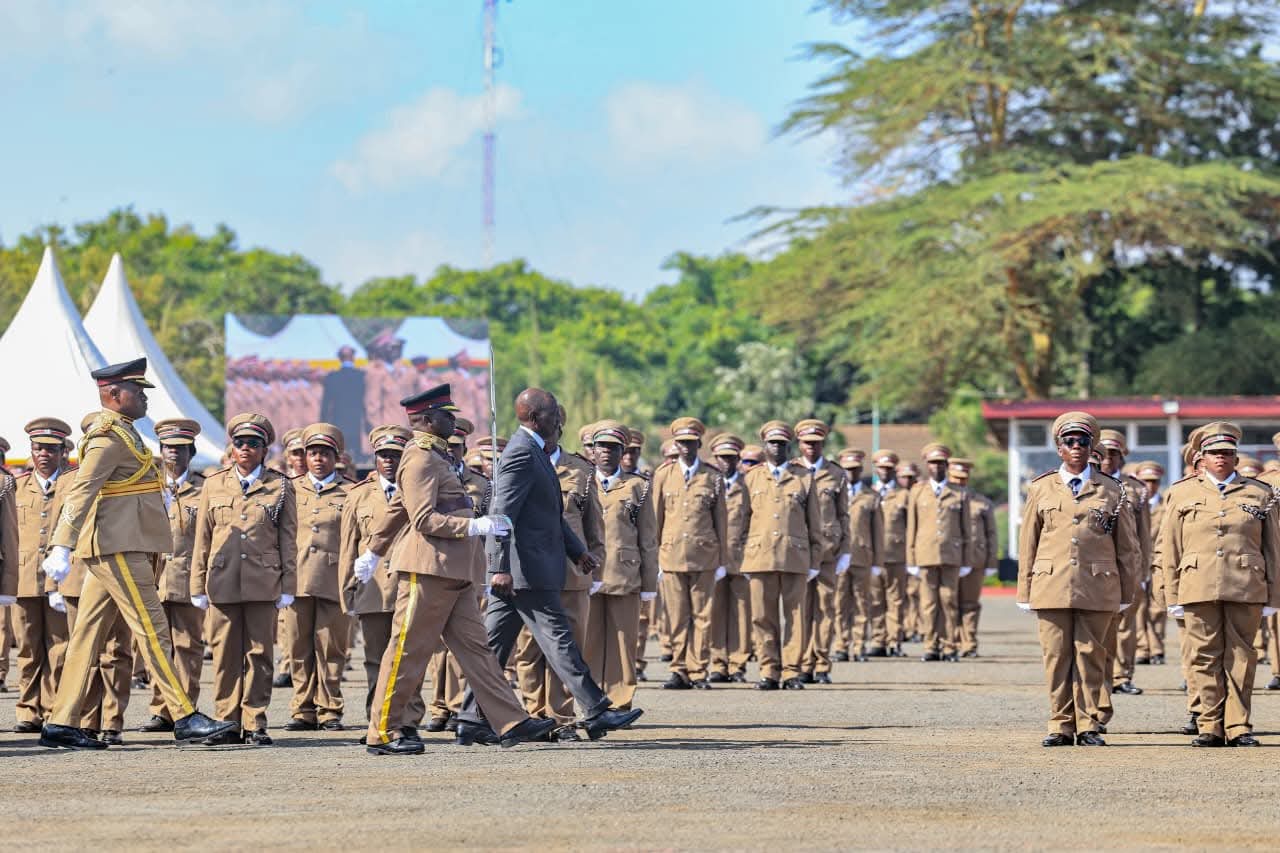
 President William Ruto during a meeting with National Government Administration Officers at the National Police College on December 1, 2025. Photo by PPS


By Andrew Mbuva
President William Ruto has urged chiefs and assistant chiefs to take a leading role in anchoring Kenya’s security and driving grassroots development, describing them as the most crucial link between the government and citizens.
Speaking during a meeting with National Government Administration Officers at the National Police College, Embakasi A Campus, the President said the country is experiencing one of its most far-reaching transformations, and the success of these reforms depends heavily on the leadership offered by chiefs across the country.
Ruto noted that the recently concluded Jukwaa la Usalama consultations captured the genuine concerns and aspirations of Kenyans regarding security, governance, and community well-being.
He commended the Interior Ministry for conducting the forums across all 47 counties and insisted that the valuable insights gathered must now be converted into meaningful action. He emphasized that chiefs remain the most visible face of government to millions of Kenyans, often serving as first responders during crises and mediators in community affairs.
The President acknowledged that despite Kenya’s overall stability, the nation faces new and evolving threats. These include community-level conflicts, criminal activities driven by economic pressures, resource-based disputes, and humanitarian challenges such as drought and displacement.
Such issues, he stated, require proactive leadership, accurate intelligence gathering, and close cooperation between government officers and the communities they serve. According to Ruto, a secure environment is the foundation of investment, productive livelihoods, and broader economic progress.
Linking national stability to the Bottom-Up Economic Transformation Agenda, the President highlighted key areas where chiefs play a direct role in the success of government programmes.
He cited the registration of over 7.1 million farmers under the fertiliser subsidy programme and the ongoing expansion of irrigation projects as examples of agricultural reforms that depend on effective grassroots coordination.
He emphasized that chiefs must ensure farmers receive services fairly, resolve local disputes swiftly, and support the efficient distribution of agricultural inputs.
Ruto also outlined the strides made in empowering micro, small, and medium enterprises, including the rollout of platforms such as the Hustler Fund and the NYOTA programme, which has already benefited more than 12,000 young people.
He said chiefs are expected to mobilise communities, promote good governance within cooperatives, and create a fair trading environment that allows small businesses to flourish.
Turning to digital transformation, the President noted that more than 27,000 government services have been digitised, with plans underway to expand connectivity and establish Jitume Labs in every ward.
He challenged chiefs to adopt digital systems fully and help citizens access online services efficiently. He further highlighted the government’s housing agenda, urging chiefs to counter misinformation, protect public land, and support the smooth rollout of affordable housing projects that create jobs and improve living conditions.
On matters of healthcare, Ruto reaffirmed the government’s commitment to strengthening the Social Health Authority, improving medical supplies, and expanding primary healthcare networks. He said chiefs must help households understand these reforms and support community health workers in their outreach activities.
In education, he emphasized the importance of expanding school infrastructure, strengthening the new university funding model, and maintaining the government’s commitment to 100 percent learner transition. Chiefs, he said, have an essential role to play in ensuring school enrolment, retention, and safety.
The President called on chiefs to continuously educate themselves on government policies so they can explain them accurately and confidently to the public.
Ruto stressed that the future of Kenya’s economic transformation rests heavily on the leadership demonstrated by chiefs at the grassroots level. He urged them to remain committed to working with communities to build a safer, stronger, and more prosperous nation.