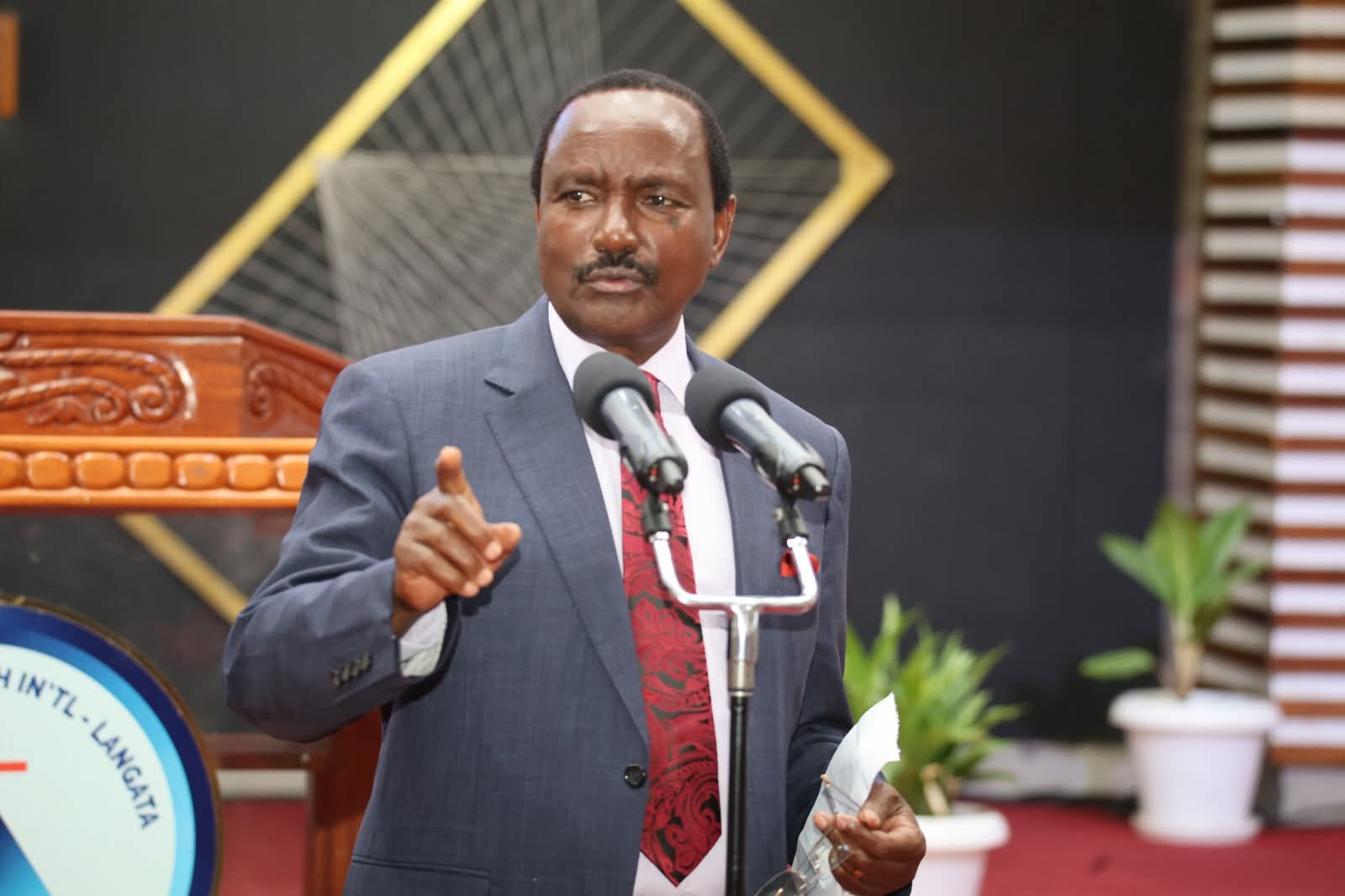
 Wiper Patriotic Front leader Kalonzo Musyoka Speaking during a Sunday service at Deliverance Church Lang'ata on April 5, 2026. Photo Courtesy.


By Andrew Mbuva.
Wiper Patriotic Front leader Kalonzo Musyoka has intensified his criticism of the government following the arrest of senior energy sector officials over a controversial fuel import deal, describing the unfolding scandal as evidence of deep-rooted cartels within the State.
The remarks come in the wake of the arrest of Petroleum Principal Secretary Mohamed Liban, Daniel Kiptoo of the Energy and Petroleum Regulatory Authority, and Joe Sang of the Kenya Pipeline Company. The three are expected to be arraigned in court on Tuesday over the multi-million shilling fuel import deal.
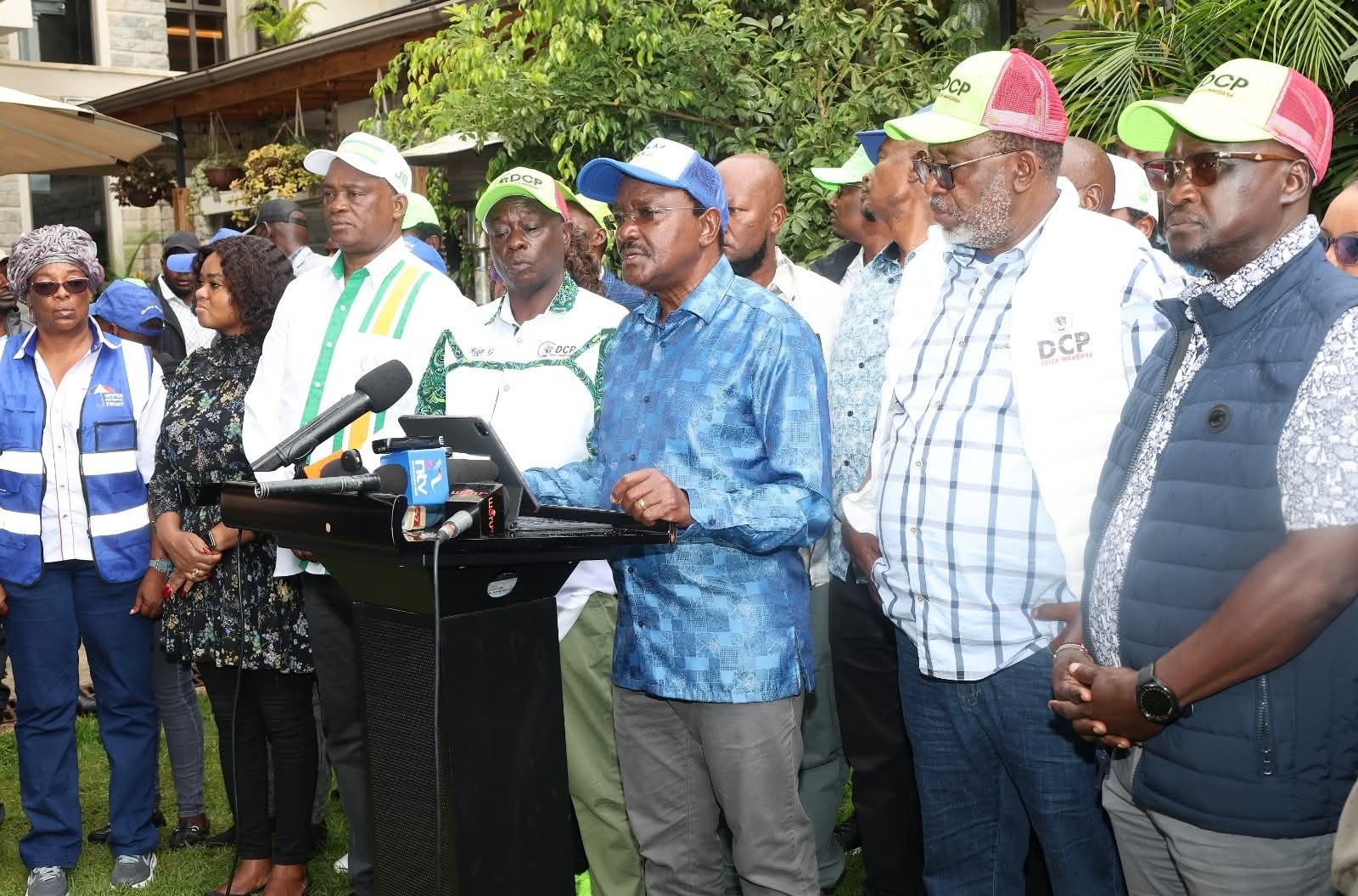
Speaking during a Sunday service at Deliverance Church Lang'ata, Kalonzo claimed the arrests point to a wider network of powerful individuals exploiting the ongoing fuel crisis linked to instability in the Middle East.
“I have followed this matter closely, and what is emerging is astonishing. People are being found with huge sums of money in their homes. This is not ordinary corruption—this is a cartel at work,” he said.
Kalonzo suggested that those implicated are closely linked to President William Ruto, adding that the unfolding scandal appears to involve insiders turning against each other under pressure.
“This confirms what we have always told Kenyans—that this country is being run by cartels. What we are witnessing now is cartel leaders exposing one another,” he stated.
While maintaining that due process must be followed, the Wiper leader urged investigators to fully disclose the details surrounding the scandal, insisting that the public deserves transparency.
On the fuel situation, Kalonzo dismissed assurances by authorities that the country has adequate supply, pointing to complications around the Strait of Hormuz as a key factor affecting imports.
He referenced rising geopolitical tensions involving Iran and remarks attributed to Donald Trump on the reopening of the strategic waterway, warning that the situation could worsen supply disruptions.
According to Kalonzo, some of the fuel currently being sold in Kenya may be part of disputed consignments allegedly procured under questionable circumstances. He further claimed that attempts by the Kenya Bureau of Standards to reject certain imports due to high sulphur content may have been manipulated for profit.
“Some individuals wanted to make a killing out of this crisis. They must now face the consequences,” he said.
Turning to electoral matters, Kalonzo sharply criticized the Independent Electoral and Boundaries Commission over its directive requiring voters registered before 2012 to re-register.
He questioned the rationale behind the move, noting that the same voters participated in the 2013, 2017, and 2022 general elections without issue.
“What exactly are they trying to do? These are Kenyans who have consistently exercised their democratic right. Why subject them to a fresh registration process?” he posed.
Kalonzo warned that the directive raises serious concerns about transparency and could undermine confidence in future elections. He revealed that opposition leaders are planning a consultative meeting early next week to formulate a unified response.
He also cited ongoing legal challenges involving election technology provider Smartmatic, reiterating calls for the firm to exit Kenya’s electoral system.
“This country cannot afford another disputed election. The integrity of our electoral process must be safeguarded,” he said.
Kalonzo concluded by expressing solidarity with Kenyans, urging accountability in both governance and electoral processes as the country grapples with the unfolding fuel scandal and rising political tensions.