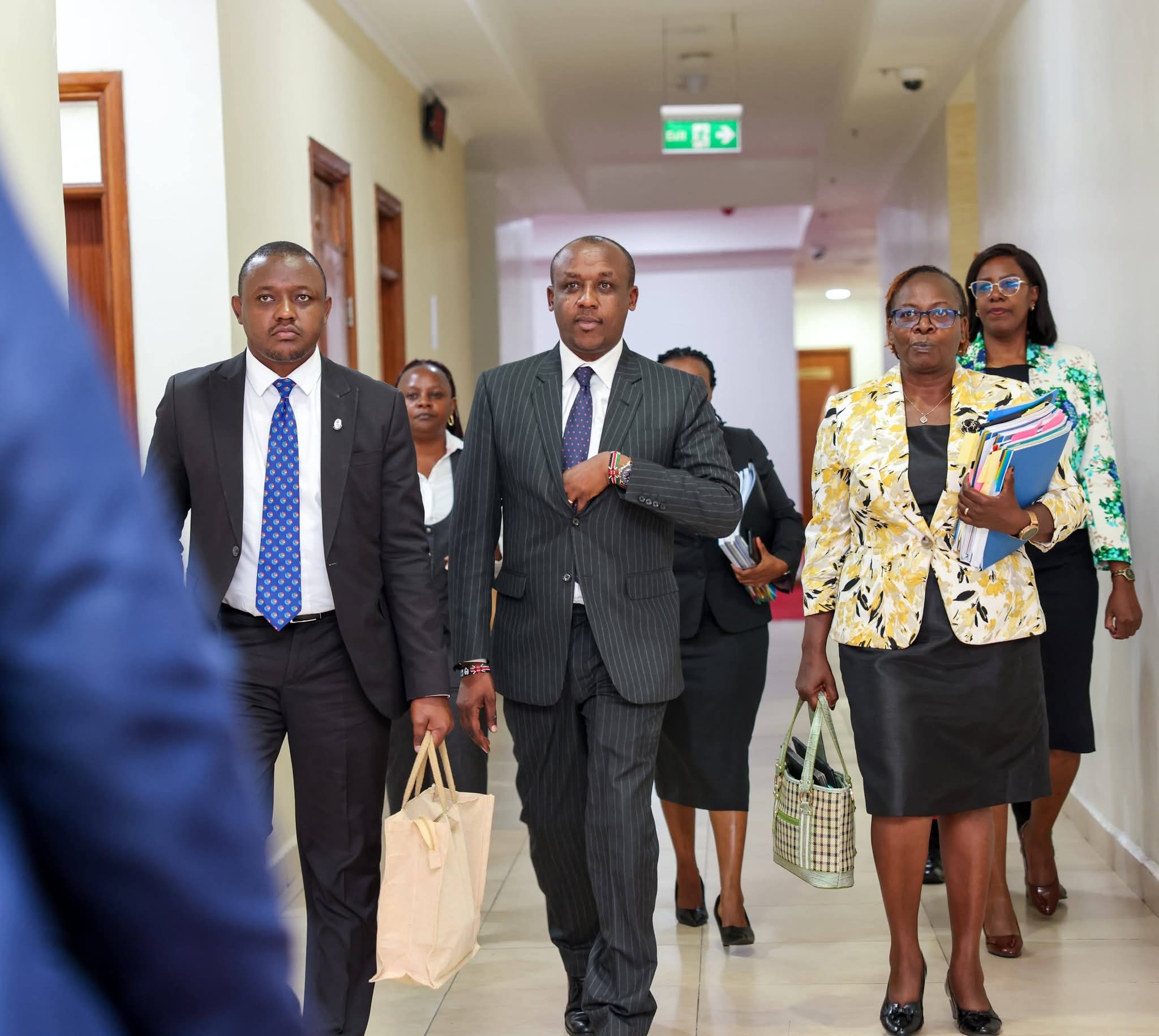
 From Left: Makueni Health Chief Officer Dr. Harvey Mbithi, Makueni Governor Mutula Kilonzo Jnr and the County Finance ECM Damaris Kavoi in the Senate on March 3, 2026. Photo by Gvrns Press.


By Andrew Mbuva
Senate Committee on Investment and Special Funds proceedings on county health financing turned into a pointed debate on sustainability, as Makueni Governor Mutula Kilonzo Jnr defended his administration’s decision to discontinue a community health scheme initiated by his predecessor, Kivutha Kibwana.
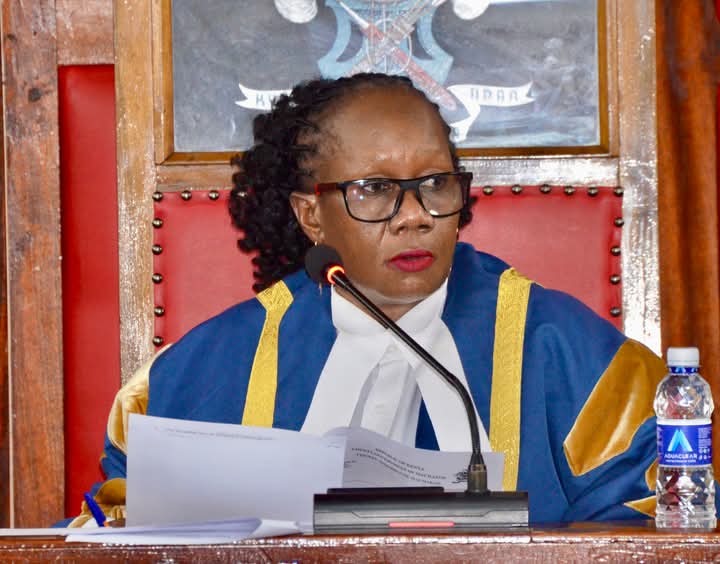
Appearing before the committee chaired by William Kipkemoi Kisang, Kilonzo said the programme—popularly known as the “Kivutha Card”—was financially unsustainable and left the county with a substantial debt burden.
According to the governor, households initially paid Sh500 annually to enrol in the scheme, a figure later increased to Sh1,000. However, by the time the previous administration exited office, the county had accumulated pending bills amounting to Sh238 million, a figure he said was edging closer to Sh300 million.
Kilonzo argued that the annual contribution was insufficient to cover the full range of services offered under the scheme, including outpatient consultations, drugs, medical commodities, diagnostic scans, X-rays and advanced treatment.
“When a household pays Sh1,000 per year and expects access to consultations, drugs, scanning and even advanced care, it becomes impractical to sustain,” he told senators.
The governor noted that rising operational costs in public health facilities had compounded the strain. He cited adjustments in diagnostic charges, including X-rays, which he said had attracted public concern. However, he clarified that part of the revised fees were linked to national health financing structures, with revenues remitted in full to the national government under the current framework.
Kilonzo further revealed that his administration was under pressure to waive additional charges, including ambulance fees. He said the county was exploring alternative funding sources to cushion residents from emergency transport costs, particularly for low-income households.
Beyond county-level challenges, the governor called for broader reforms in health financing. He urged the national government to establish a more sustainable model, including the possibility of creating a dedicated fund to fully cover treatment for critical illnesses such as cancer.
Committee Chair Kisang acknowledged the financing concerns and indicated that the committee would convene a retreat with the Ministry of Health to address pending bills and unpaid claims dating back to the defunct National Hospital Insurance Fund (NHIF) and the current Social Health Authority (SHA).
“These monies must be paid,” Kisang said, signalling that settlement of historical claims would form part of the committee’s agenda.
The session underscored mounting pressure on counties to balance affordable access to healthcare with the realities of rising medical costs and unresolved national-level funding obligations.