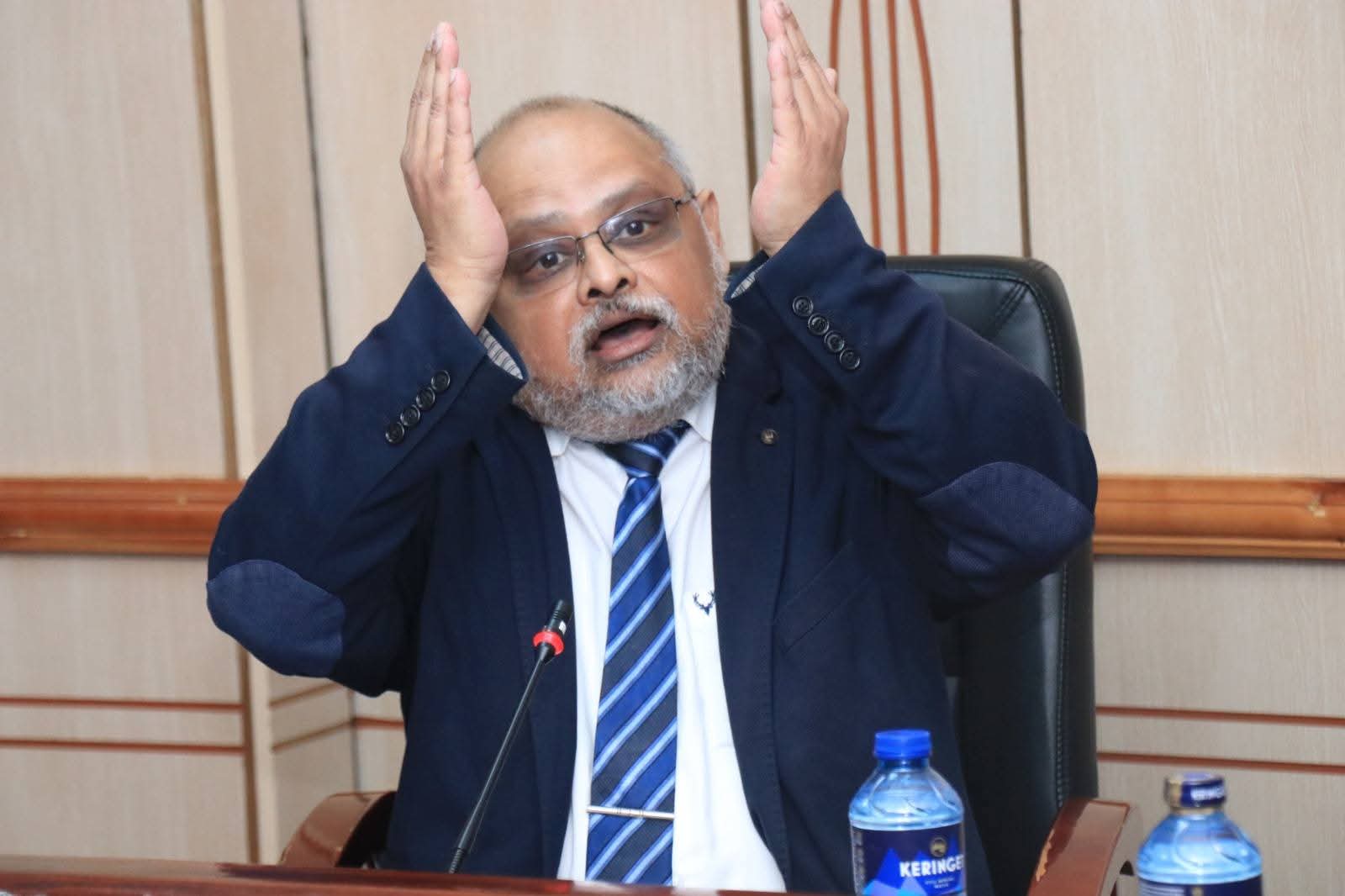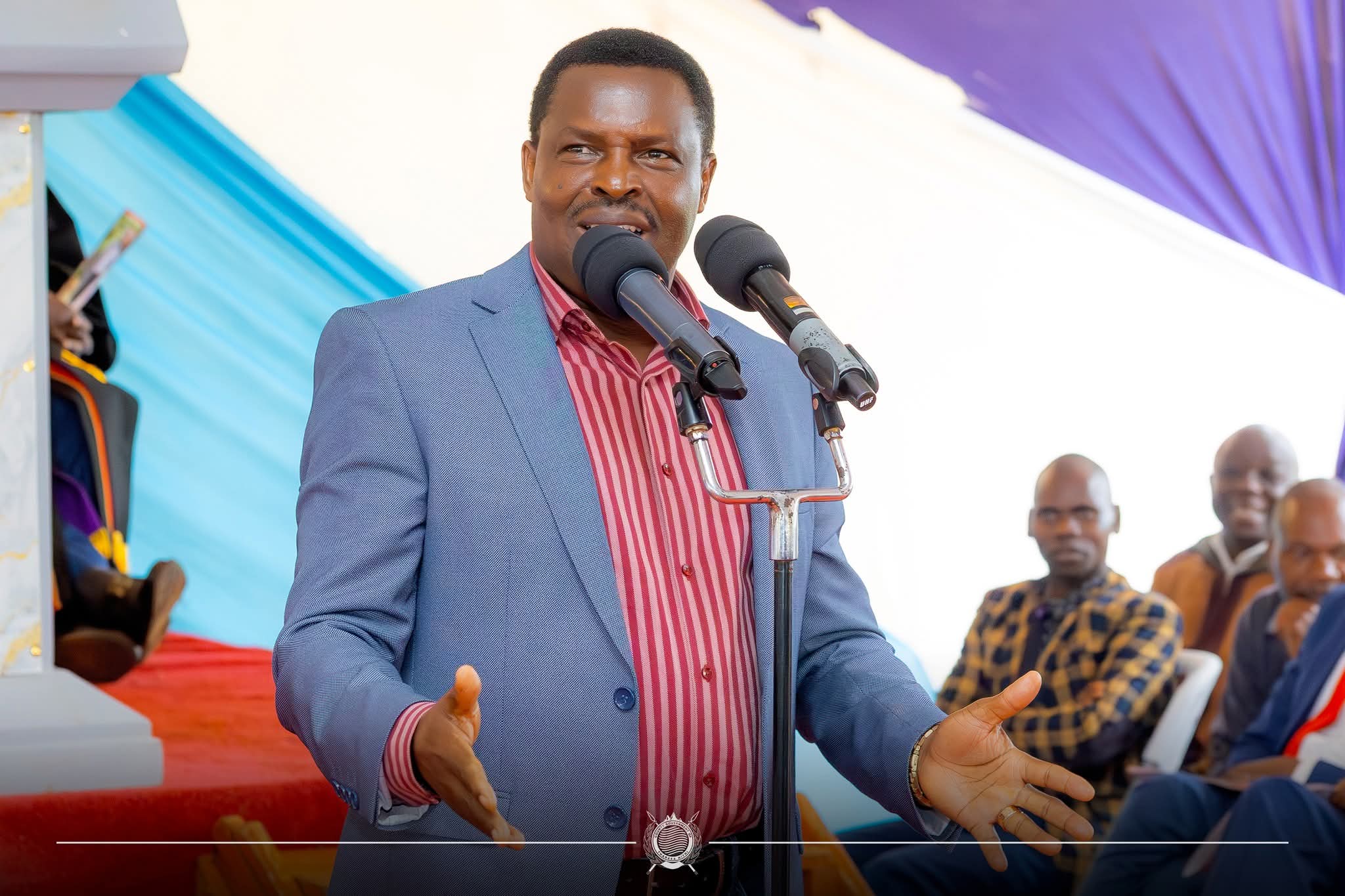
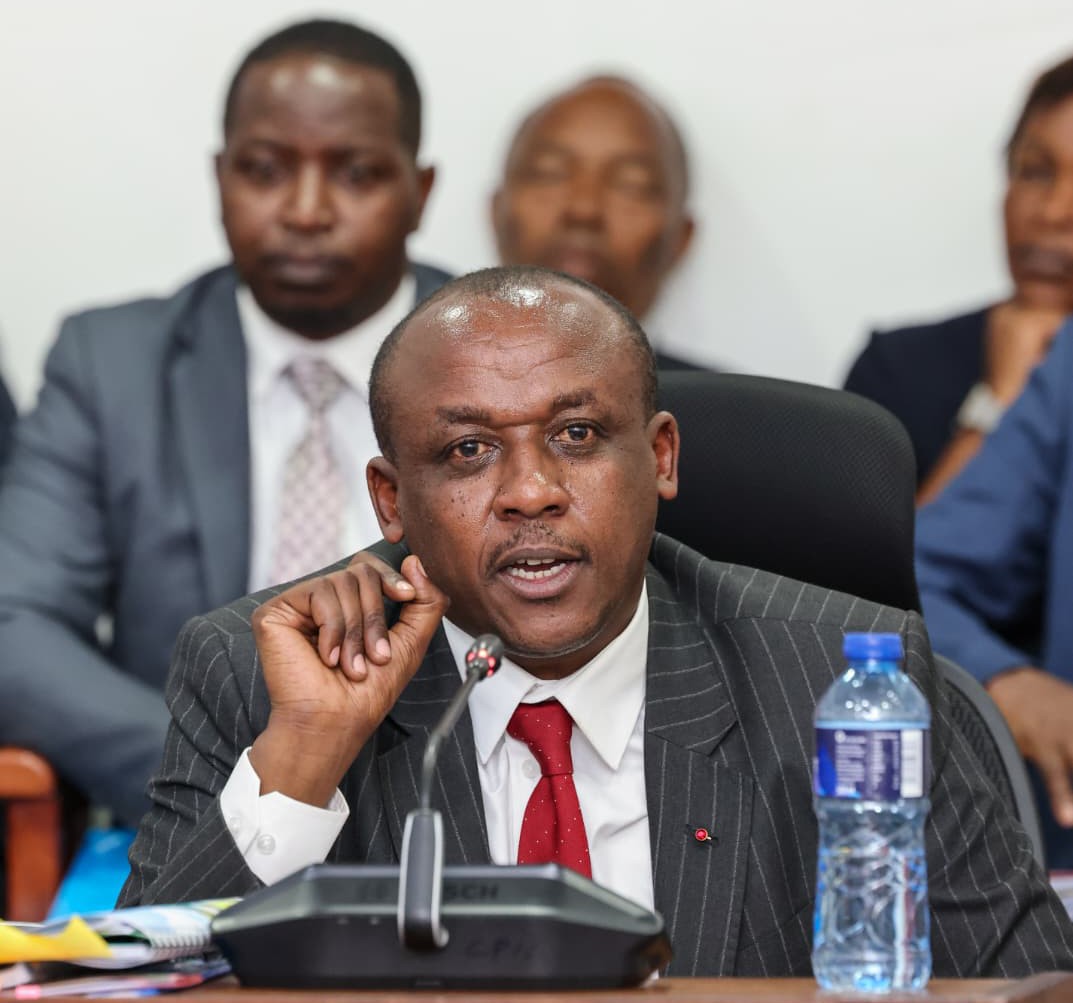
 Makueni Governor Mutula Kilonzo Jnr Appearing before the Senate County Public Investments and Special Funds Committee on January 27, 2026. Photo Courtesy.


By Andrew Mbuva
Makueni Governor Mutula Kilonzo Jnr has renewed calls for equity in the management and distribution of shared water resources, faulting the continued exclusion of Makueni residents from water originating within the county and neighbouring regions.
Appearing before the Senate County Public Investments and Special Funds Committee on Tuesday, Governor Mutula outlined far-reaching reforms his administration has undertaken to improve water management and reduce non-revenue water, while sharply questioning why strategic water sources such as Mzima Springs and the Kilimanjaro Water Project do not benefit Makueni communities.
The governor told the committee that the county has invested heavily in automation of water systems, smart metering, smart kiosks and rehabilitation of ageing networks to curb both physical and commercial losses. Through partnerships, Makueni has spent over Sh300 million on water projects, significantly expanding access in one of Kenya’s most water-scarce regions.
However, Mutula said structural injustices continue to undermine these efforts, particularly in relation to underground and cross-county water resources.
He singled out Mzima Springs, which originate from the Chyulu Hills ecosystem, noting that the springs produce about 4,200 cubic metres of water per day but largely serve Mombasa City through national government infrastructure, while nearby Makueni residents remain without reliable access to clean water.
“We have beautiful underground rivers flowing from Chyulu, yet the people who live closest to these resources do not benefit,” the governor said. “Communities in the Chyulu Hills were evicted by the national government to conserve the ecosystem, but the water goes to the Coast while Kibwezi and surrounding areas continue to suffer.”
Mutula explained that the situation is compounded by the poor quality of groundwater in parts of Makueni, especially Kibwezi, where borehole water is highly saline and unfit for human consumption. “When I say highly saline, it is an understatement. You can’t even grow grass,” he said, arguing that this makes access to surface and spring water sources a matter of survival rather than convenience.
The governor also revisited the long-running dispute over the Kilimanjaro Water Project, a joint initiative involving Makueni and Kajiado counties. He told senators that despite Makueni being a shareholder in the joint water company and bearing joint liabilities — including a reported Sh60–62 million debt linked to staff costs — the county does not receive the water.
“That water never reaches Makueni,” Mutula said. “We are billed, we are shareholders, we hold joint liability, but our people do not benefit.” He urged the Senate committee to convene a joint meeting between Makueni and Kajiado counties to interrogate the governance and distribution of the project.
On broader regional projects, the governor expressed cautious optimism about the Thwake Dam, noting that its first phase prioritises provision of clean domestic water before irrigation and power generation. He said the African Development Bank (ADB), which is funding the project, has made it clear that communities must first access safe water before subsequent phases are rolled out.
Mutula acknowledged concerns about pollution upstream of the Athi River but said the treatment systems at Thwake are designed to deliver clean water to Makueni, Machakos, Kitui and potentially Kajiado. He warned, however, that delays caused by the national government’s failure to meet its financial obligations — including a 10 per cent contribution agreed with ADB — have slowed progress.
Chairing the session, Elgeyo Marakwet Senator William Kipkemoi commended Makueni County for prudent management of public investments, particularly in the water sector, and assured the governor that the committee would consider the issues raised.
Governor Mutula insisted that lasting solutions will only be achieved if national and county governments confront historical imbalances in water allocation. “We are not saying others should not benefit,” he said. “We are simply asking that the people of Makueni also receive the water that comes from their land and passes through their county.”