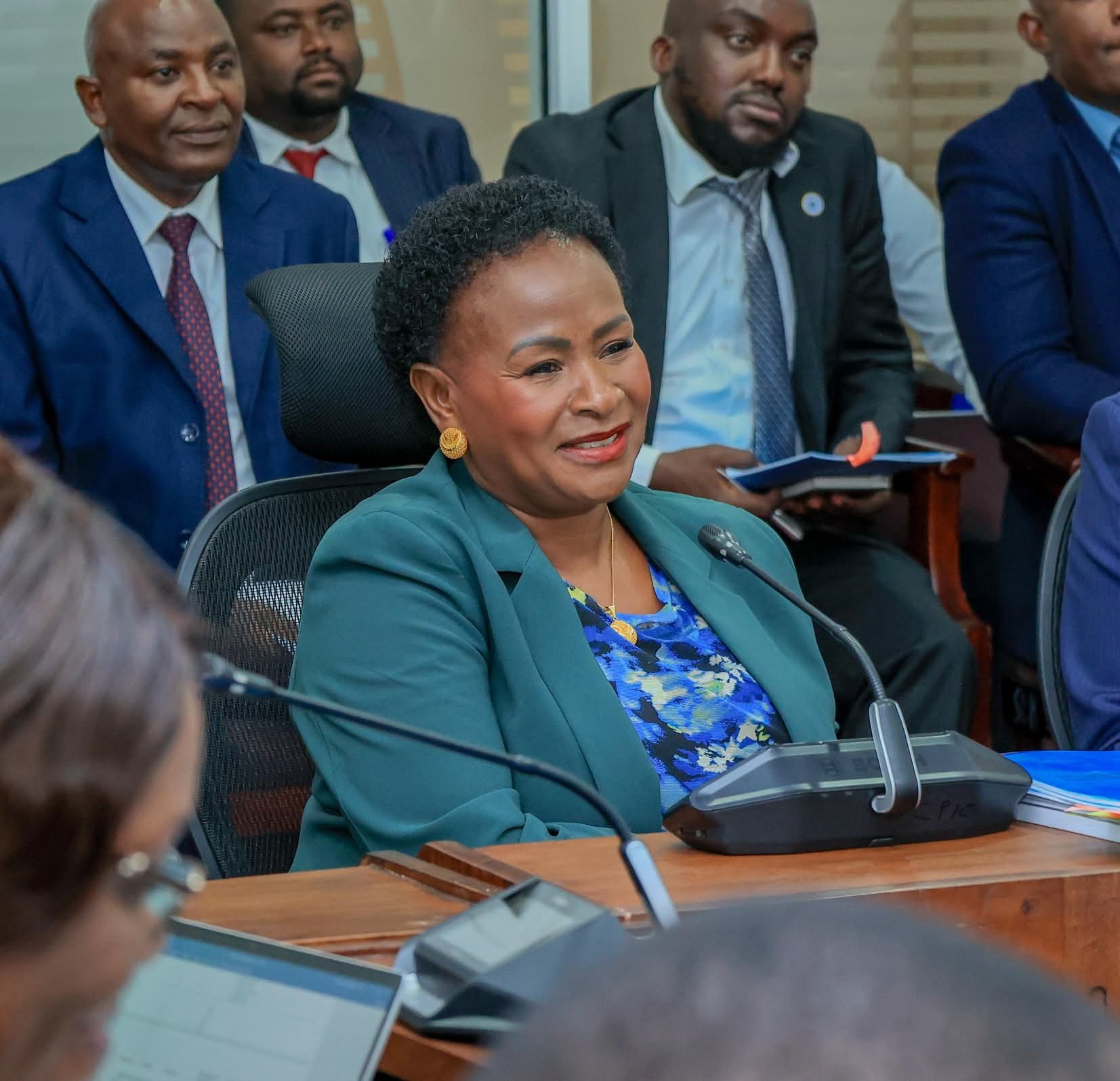
 Machakos Governor Wavinya Ndeti Appearing before the Senate County Public Investments and Social Funds Committee on January 22, 2026. Photo Courtesy.


By Andrew Mbuva
Machakos Governor Wavinya Ndeti has firmly dismissed claims that her administration plans to flatten the historic Tala Dam and convert it into a bus park, assuring residents that such a proposal is “out of the question.”
Appearing before the Senate County Public Investments and Social Funds Committee on Thursday, the Governor said there is no scenario under which the county government would replace a water resource with a bus park, stressing that the real challenge facing Tala Dam is pollution caused by poor sewer management.
“There is no way we can replace a dam with a bus park. That is completely out of the question,” Ndeti told senators. “What we are dealing with is a serious sewer and sanitation problem. Some water companies have not been doing their work properly, and that is why sewer ends up flowing into the dam.”
The Governor explained that Tala, being an urban area, has suffered from illegal sewer connections where residents link sewer lines to drainage systems, causing wastewater to find its way into the dam. She said the county has now adopted a tough stance to address the problem.
“We are being very firm. Anyone found connecting sewer into drainage lines will face serious action,” she said, adding that the problem is particularly rampant in Mlolongo and other urban centres. She assured the Senate that her administration would resolve the matter conclusively.
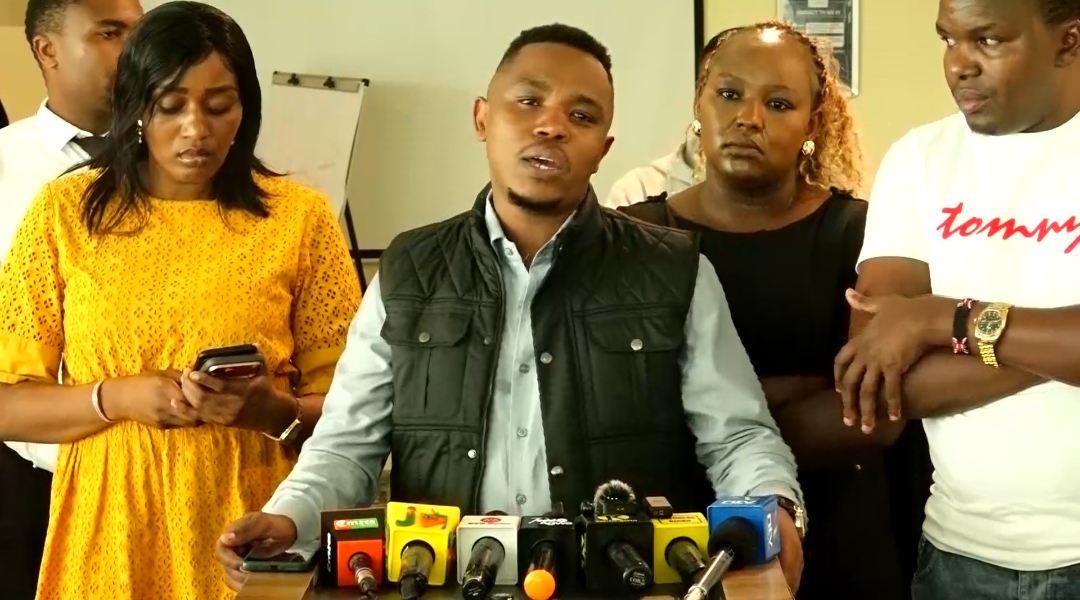
Governor Ndeti’s remarks come amid strong opposition from Tala residents who had raised alarm over alleged plans to drain or flatten the dam to pave way for a bus park. The residents argue that the dam is a critical and irreplaceable community resource that has sustained Tala for generations.
Led by elders and local leaders, the community accused the area Member of County Assembly (MCA) of pushing the idea without adequate consultation. They insist that Tala Dam is the town’s only reliable source of water for domestic use, livestock, laundry and construction.
Seventy-year-old resident Dr. Charles Kilonzo described the dam as the “source of our life,” noting that it was constructed more than 90 years ago through communal effort under the leadership of renowned paramount chief Uku wa Mukima.
“This dam was built manually by more than 500 people over five years. There were no tractors then,” Dr. Kilonzo said. “It covers about three acres and can sustain Tala town. Destroying it for a bus park would erase the sweat and sacrifice of our forefathers.”
Dr. Kilonzo estimated that rebuilding such a dam today would cost more than Sh500 million, while filling the existing 40-foot-deep reservoir would cost over Sh200 million. He argued that the funds would be better spent acquiring alternative land for a bus park and rehabilitating the dam.
Another resident, Sila Mutiso, said the dam’s main challenge is pollution, not its existence. He noted that since around 2020, some individuals have been discharging raw sewage into the dam, despite the water still being used for domestic purposes and livestock.
“What we want is simple: clean the dam, don’t drain it,” Mutiso said, questioning the legality of public participation forums allegedly convened to push the proposal.
Residents also raised concerns over poor waste management in Tala town, accusing county officials of dumping garbage at the local cattle market, worsening sanitation despite traders paying taxes and levies.
As the debate continues, Governor Ndeti’s assurance appears to align with residents’ demands, shifting the focus from demolition fears to enforcement, sewer reforms and rehabilitation. For the people of Tala, the position remains firm — development must not come at the cost of their history or their only dependable water source.