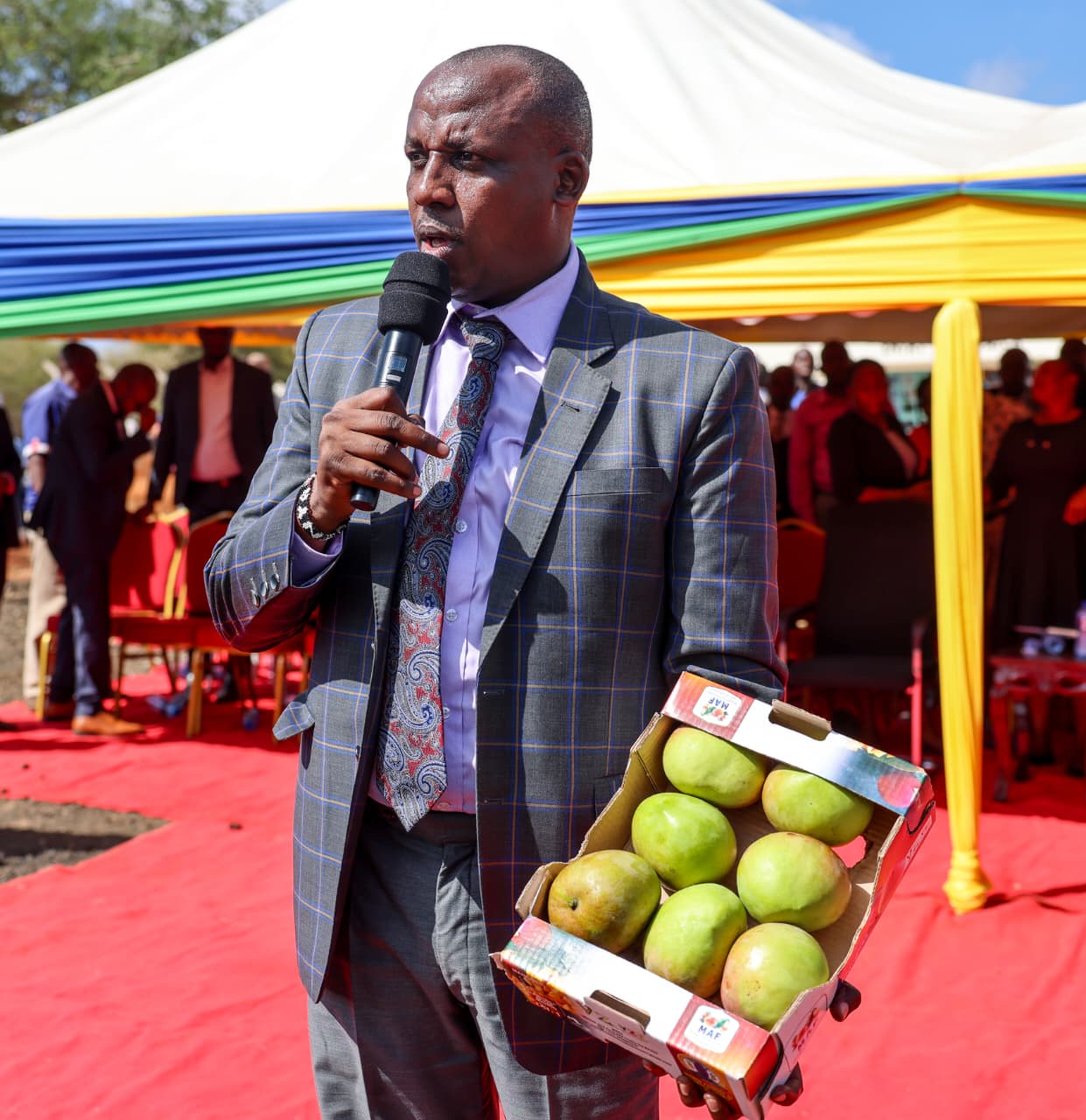
 Makueni Governor Mutula Kilonzo Jnr Speaking at Ngaakaa, Makindu on January 19, 2026. Photo Courtesy.


By Andrew Mbuva and Stanley Mumo
Makueni Governor Mutula Kilonzo Jnr has called a crisis meeting scheduled for Wednesday with farmer SACCOs and county agricultural officers in a bid to resolve a growing dispute over the sourcing of mangoes delivered to the Kalamba Fruit Processing Plant, amid complaints that local farmers’ produce is rotting in farms.
The emergency meeting comes against the backdrop of mounting public outcry and political pressure, with mango farmers accusing the county of failing to honour its promise to buy their produce at fair prices, while allegations persist that the Kalamba factory has been receiving mangoes from outside Makueni County.
Governor Mutula said the Wednesday meeting will be decisive in establishing the truth and enforcing accountability across the mango value chain. He noted that all buyers awarded tenders to purchase mangoes will be required to prove that their supplies were sourced strictly from within Makueni.
“If it is established that any buyer sourced mangoes from outside the county, action will be taken immediately,” the Governor said, adding that responsibility will begin with ward agricultural officers and cooperative leadership. He warned that sanctions would be enforced without fear or favour.
The Governor dismissed claims that mangoes from Machakos or Tanzania were deliberately brought into Kalamba, saying such statements stem from a misunderstanding of how the system operates. He explained that the county had identified seven cooperatives to supply mangoes through ward SACCOs, but delays by some cooperatives disrupted the delivery schedule.
In one case, mangoes from a SACCO arrived early but were unripe and had to be stored in a ripening chamber built during former Governor Kivutha Kibwana’s tenure. The chamber, with a capacity of 2.5 metric tonnes, allowed the mangoes to ripen before buyers began collecting them.
“These mangoes are now ripe, and buyers are continuing to collect them,” Governor Mutula said, insisting that the county has not sidelined its farmers.
To further address the crisis, the Governor revealed that due to an abundant harvest this season, the Kalamba board has approved an additional Sh12 million to purchase another 280 metric tonnes of mangoes. He also announced the operationalisation of cold storage facilities in Kalungu, Kaputhu and Kalawani to prevent post-harvest losses as farmers await buyers.
Exporters, he said, have already arrived in Kaputhu, Kalawani and Wote to collect mangoes for export markets.
However, the controversy has been fueled by remarks from Makueni County Assembly Speaker Douglas Mbilu, who insists that undocumented mangoes from outside the county were delivered to Kalamba in the initial days of operation.
The Speaker named three companies — Makuu, Kyale Muliilii and Kika — alleging that they supplied mangoes to the factory without proper documentation indicating their source. He demanded that the Kalamba Fruit Processing Plant Chief Executive Officer be put to task to explain where the mangoes delivered on the first two days originated from.
“I am not a mad man. I have facts,” Speaker Mbilu said, adding that following an alarm raised in the Assembly, the three companies were blocked this week from supplying mangoes to the factory.
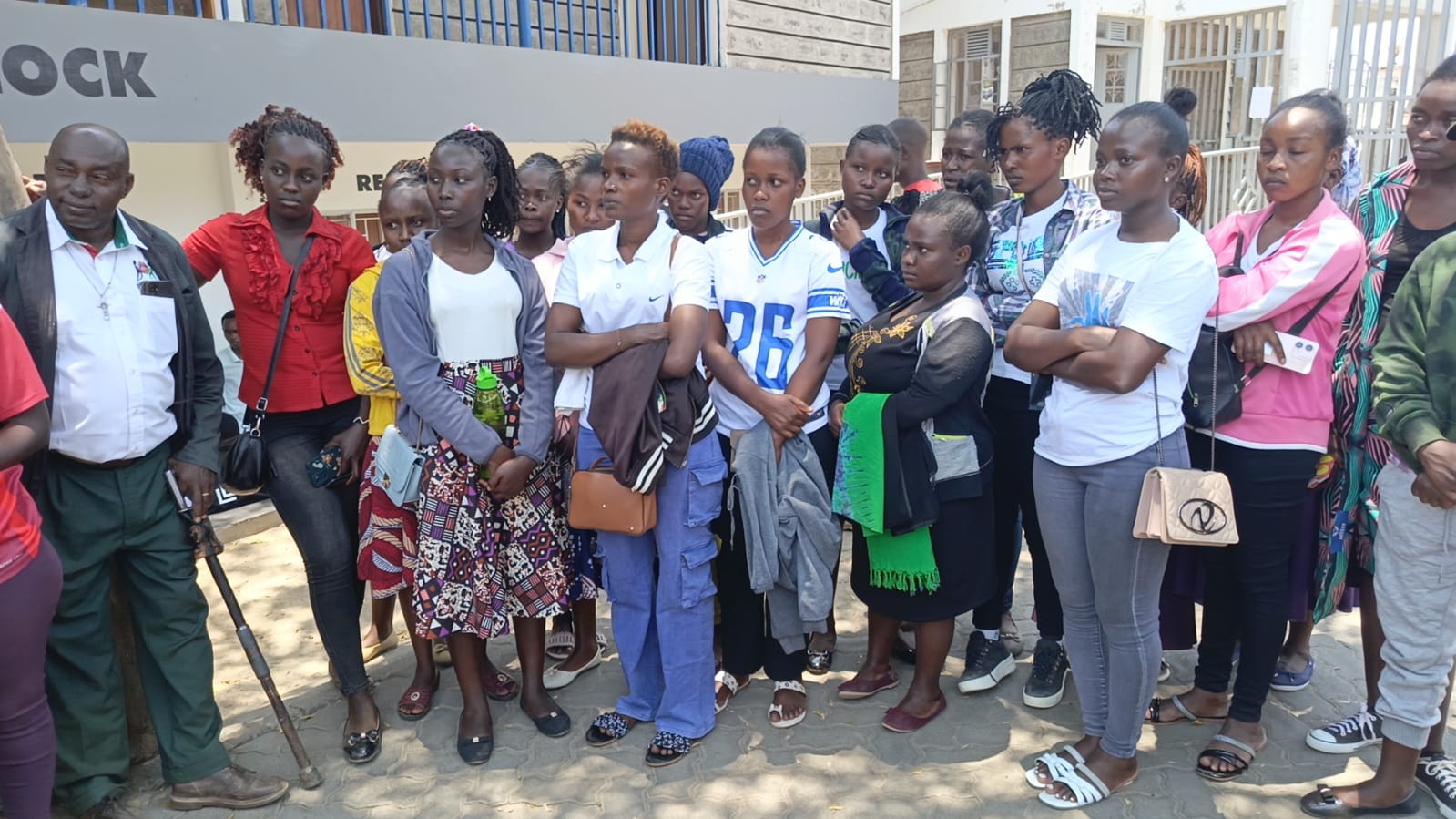
As tensions rise, farmers across Makueni say they are looking to Wednesday’s crisis meeting for clear answers and immediate solutions, fearing further losses if the stalemate continues.
Governor Mutula maintained that Kalamba cannot process all mangoes produced in Makueni — the largest mango-producing county in Kenya — but stressed that the county’s priority remains protecting farmers from exploitation by brokers and ensuring they receive fair value for their produce.
With the emergency talks set for Wednesday, all eyes are now on whether the meeting will defuse the crisis, restore confidence among farmers, and bring transparency to the operations of the Kalamba Fruit Processing Plant.