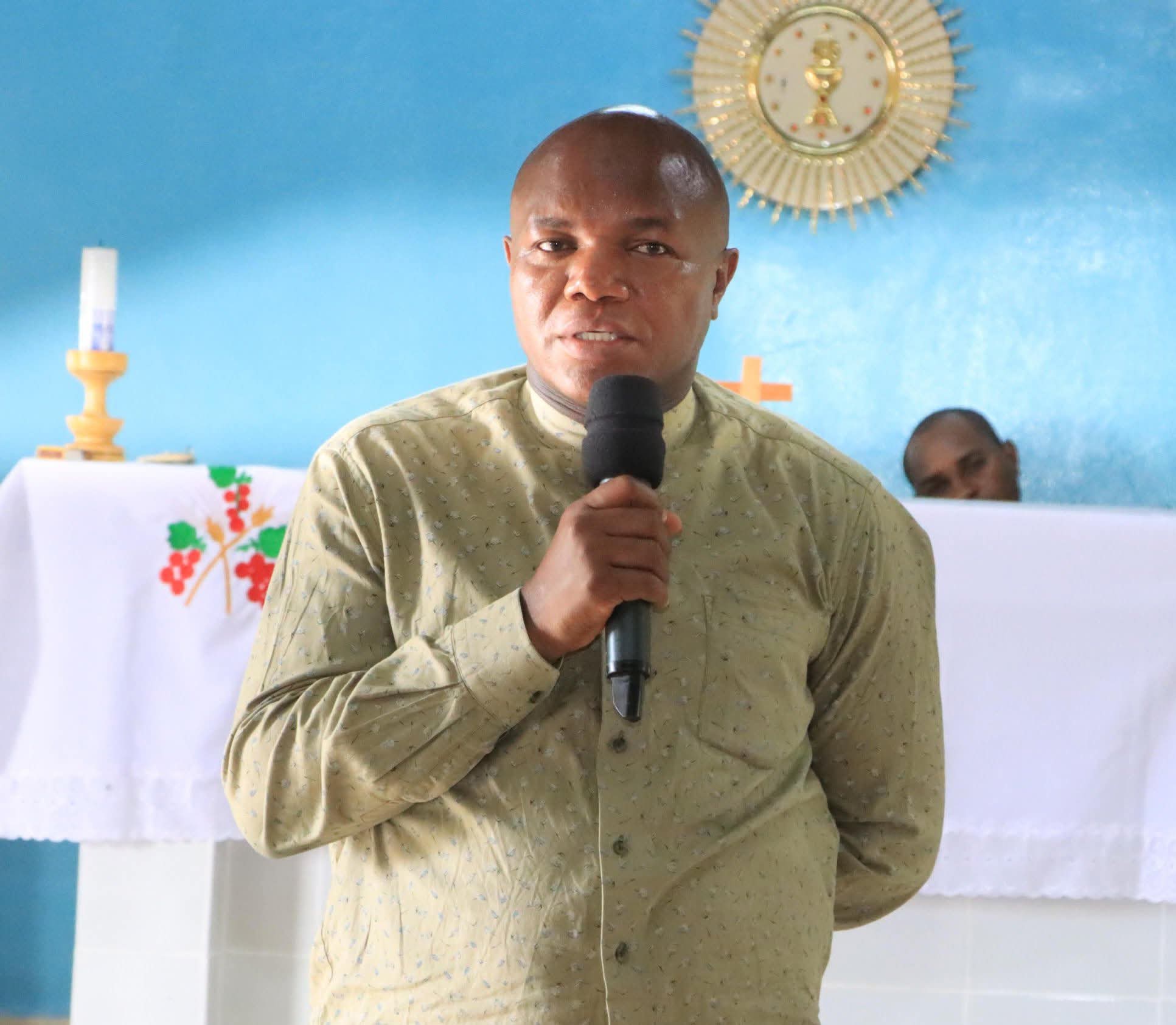
 Machakos Deputy Governor Francis Mwangangi in a Past Function. File Photo.


By Ryan Mumo
Machakos Deputy Governor Francis Mwangangi has urged African leaders and global policymakers to urgently develop and enforce strong policies to counter the growing threat of illiberal democracy, warning that the trend is undermining development, fuelling corruption, and eroding democratic gains across the continent.
Speaking in the United States during a high-level global forum organised by The Chicago Council on Global Affairs, the Council on Foreign Relations (New York) and the European Council on Foreign Relations, Mwangangi said Africa stands at a critical crossroads as some leaders increasingly drift away from democratic ideals toward autocratic governance.
The forum brought together key global actors backed by multilateral institutions including the United Nations, African Union, European Union, the World Bank, and representatives from North and Latin America as well as the Association of Southeast Asian Nations (ASEAN) to deliberate on the rise of liberal and illiberal democracy and its global impact.
“I come here as an African, proudly from Kenya, grateful for this opportunity to engage in a global conversation that touches the very foundation of development and governance,” Mwangangi said. “Democracy is not just a political system; it is a development tool.”
He noted that most of the world’s developed nations—particularly in Europe—have entrenched democratic systems, a factor he said has significantly contributed to their economic and social progress. Mwangangi pointed out that even among G20 countries, democracy remains the dominant form of governance, underscoring its role in fostering stability and growth.
While acknowledging that the majority of African countries practise democracy, the Deputy Governor expressed concern over the rapid rise of illiberal democracy, a system where elections exist but democratic institutions, freedoms, and accountability are systematically weakened.
“This trend is rising largely because of state capture,” he said. “When leaders intend to commit economic crimes, their first target is the state itself—capturing public institutions, state-owned enterprises, and national resources for private gain.”
Mwangangi warned that such leaders often suppress media freedom to avoid exposure, interfere with the judiciary to secure favourable rulings, and gradually entrench autocracy—an approach he described as the complete opposite of people-centred governance.
“Democracy favours the majority and empowers citizens,” he said. “Autocracy, on the other hand, benefits a few while oppressing the many. It is dangerous because it normalises the use of public power to serve private interests.”
He further observed that many countries that have achieved sustainable development have embraced decentralised systems of governance, such as devolution and federalism, which bring services and decision-making closer to the people. In contrast, he noted, illiberal regimes often dismantle or weaken devolved structures, limiting inclusive development.
“Whenever illiberal democracy rises, devolution is usually the first casualty—and without devolution, development becomes a promise without delivery,” Mwangangi said.
While reflecting on global history, he clarified that Africa does not need violent or chaotic revolutions, but rather a revolution of the mind—one anchored in education, creativity, and civic responsibility.
“We must revolutionise how we think,” he said. “It is through education that nurtures creativity and critical thinking that nations truly develop.”
Mwangangi argued that illiberal democracy directly fuels corruption, which in turn cripples national development goals and weakens public institutions. He called for deliberate policy frameworks at national, regional, and international levels to discourage illiberal practices and strengthen genuine democratic governance.
Quoting former U.S. President John F. Kennedy, Mwangangi reminded leaders of their responsibility to serve the public good. “Kennedy once said: Ask not what your country can do for you, but what you can do for your country,” he said.
He concluded with a rallying call to leaders across the world to invest their time, resources, and expertise in defending democracy.
“Let us commit our know-how, our leadership, and our institutions to building strong democracies,” Mwangangi said. “By doing so, we will counter the rise of illiberal democracy and secure a future of inclusive development for our people—especially in Africa.”