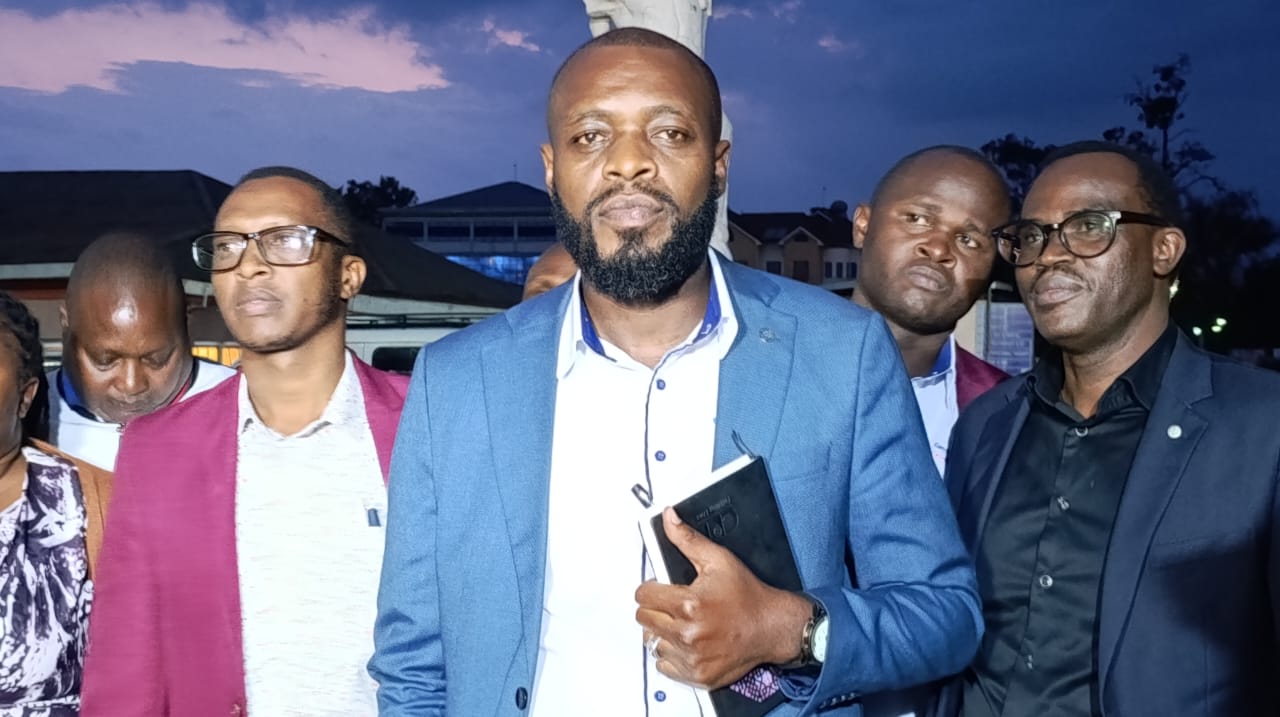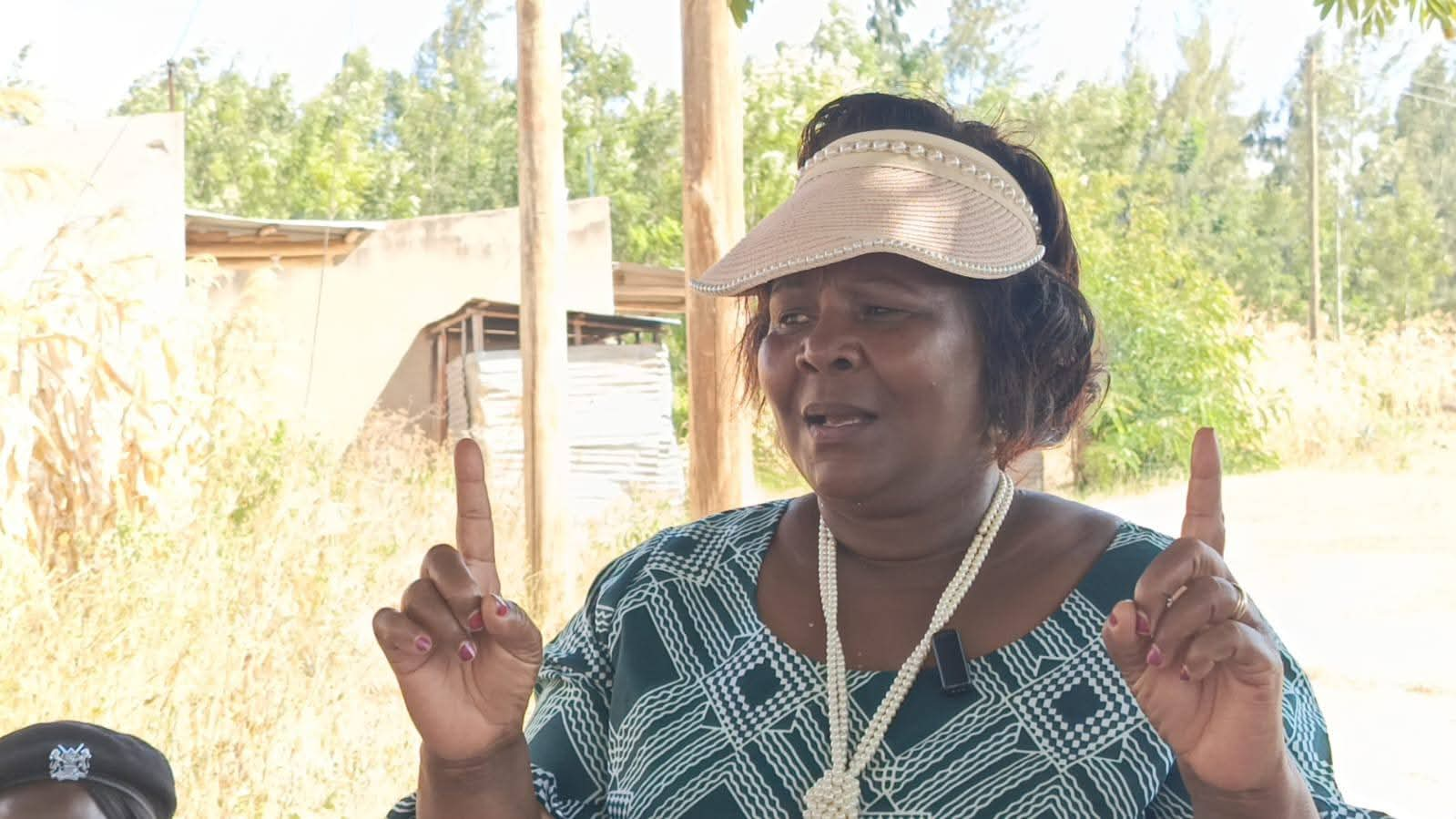
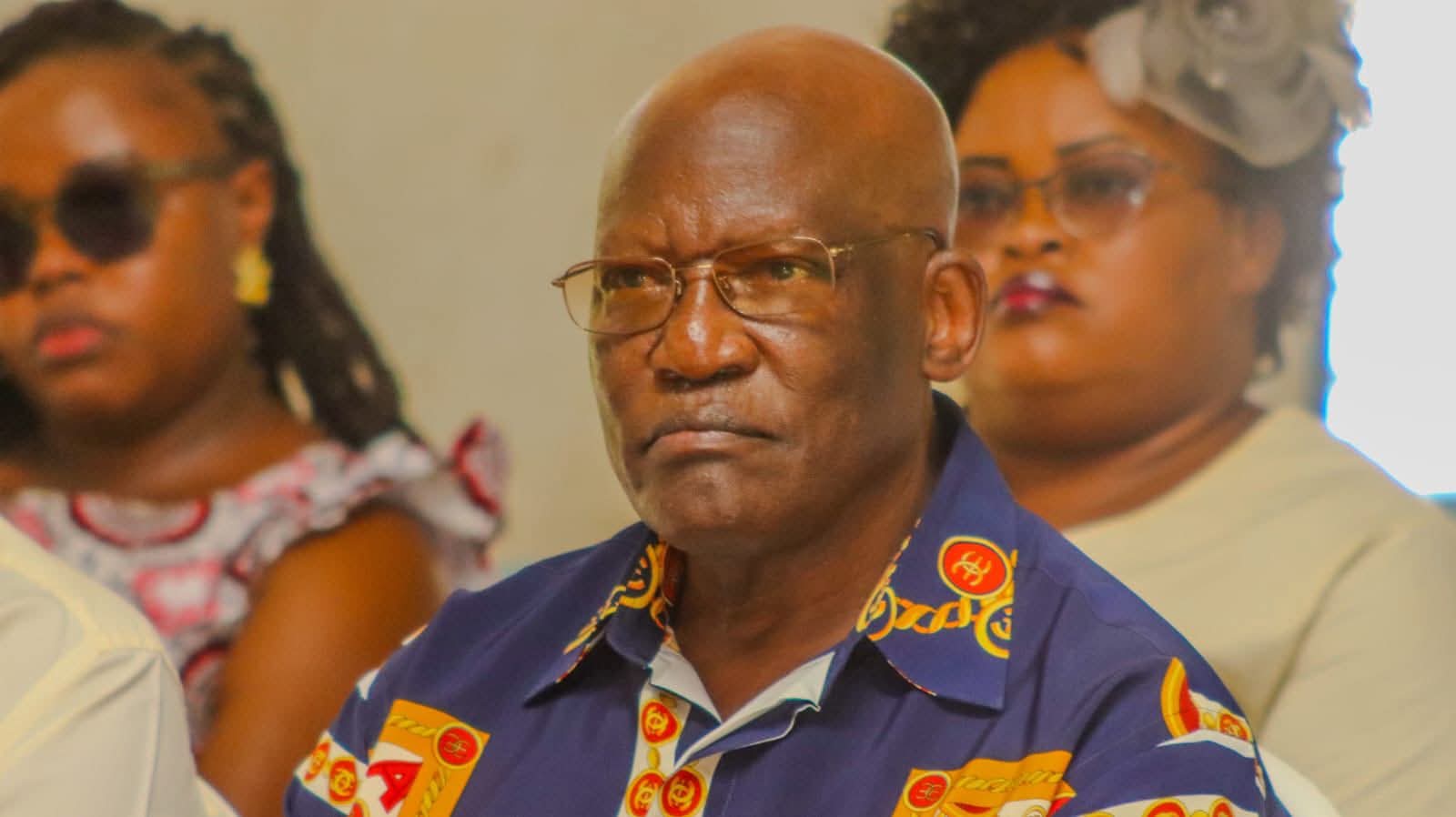
 Former Machakos Senator and current Parliamentary Service Commission Commissioner Johnstone Muthama at AIC Kidongo, Shimba Hills in Kwale County on December 14, 2025. Photo Courtesy.


By Andrew Mbuva and Ryan Mumo
Former Machakos Senator and current Parliamentary Service Commission Commissioner Johnstone Muthama has launched a scathing critique of tribal-based politics, arguing that President William Ruto is far ahead of his current competitors and that anyone hoping to challenge him in the 2027 presidential race must fundamentally change their political strategy.
Speaking on Sunday at AIC Kidongo, Shimba Hills in Kwale County, Muthama said Kenya’s biggest political weakness has been the persistence of leaders who define themselves through ethnic arithmetic rather than a national vision. He warned that the era of community-based kingpins is rapidly fading and that only leaders who appeal to Kenyans across ethnic lines stand a realistic chance of winning the presidency.
“My stand in this country is very clear: we do not need a community leader. We need a national leader,” Muthama said, adding that among those who have declared interest in the 2027 race, one candidate is clearly ahead of the rest—and that position is not negotiable.
Without naming names directly at first, Muthama took aim at opposition leaders he accused of surrounding themselves with openly tribal political figures, saying such alliances are politically toxic and out of touch with modern Kenyan voters.
He issued a pointed warning to Wiper Party leader Kalonzo Musyoka, cautioning him against aligning with individuals who believe political support should be rewarded with exclusive control of elective seats in major cities like Nairobi.
“Who is that foolish person who will elect leaders affiliated to one individual who is too tribalistic?” Muthama posed.
Muthama went further, urging Kenyans—particularly the Kamba community—to pray for Kalonzo, not out of malice, but so that he may fully appreciate the national scale of presidential politics.
“Yes, he is our son and his name may be on the ballot, but Kenya is big. The Kamba community alone cannot make him president. Kikuyu votes alone cannot make anyone president. Only Kenyans, at large, decide,” he said.
To drive his point home, Muthama invoked Kenya’s political history, noting that past presidents—Jomo Kenyatta, Daniel arap Moi, Mwai Kibaki, and Uhuru Kenyatta—were elected by national coalitions, not by their ethnic communities alone.
Even as a former ally of Raila Odinga who opposed Uhuru Kenyatta, Muthama emphasized that no serious leader ever claimed Uhuru won purely on Kikuyu votes.
Turning to the present, Muthama praised President William Ruto for avoiding ethnic messaging, arguing that this approach explains why he currently stands well ahead of his would-be challengers.
“President Ruto has never gone around shouting about the Kalenjin community. When he goes to Luo Nyanza, he speaks about Kenya. When he comes to Ukambani, he speaks about Kenya. That is leadership,” he said.
Muthama also dismissed the belief by some politicians—particularly former Deputy President Rigathi Gachagua—that regional voting blocs such as Mt Kenya can single-handedly deliver the presidency.
“Those votes, no matter how many, cannot make anyone president on their own,” he asserted.
In a direct appeal to opposition leaders, Muthama called for an end to what he described as “tribal storytelling”, urging them to abandon ethnic calculations and instead focus on uniting the country.
“We want a Kenya where every citizen feels at home in any part of the country,” he said, adding that leaders must also accept defeat gracefully if Kenyans decide otherwise.
Muthama said his prayer is for Kenya to be led by a president who rejects tribalism both in word and deed, insisting that this is where President Ruto has outpaced his rivals.
“If anyone wants to catch up with him,” Muthama said, “they must change their strategy—because Kenya has moved on.”