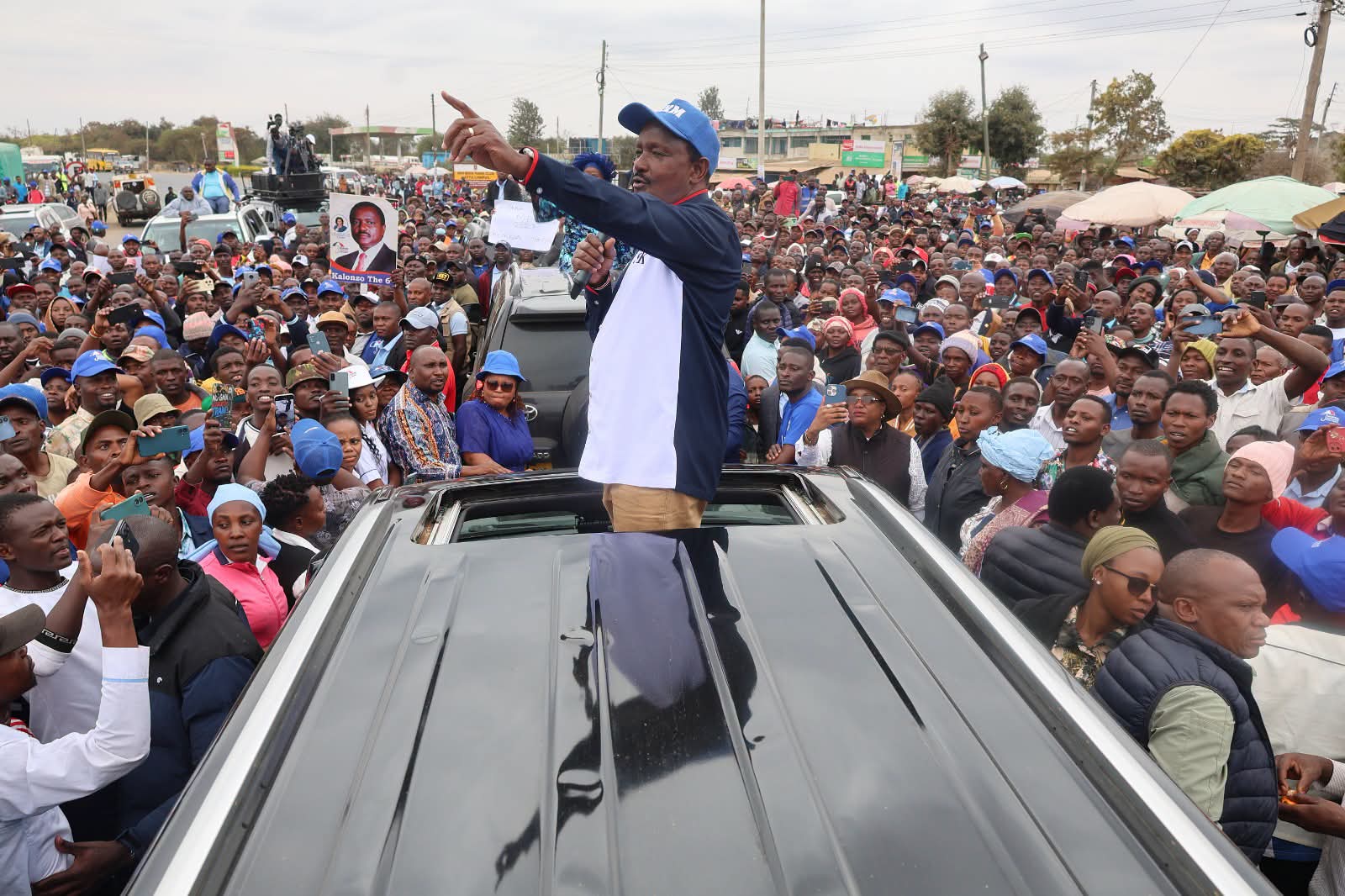
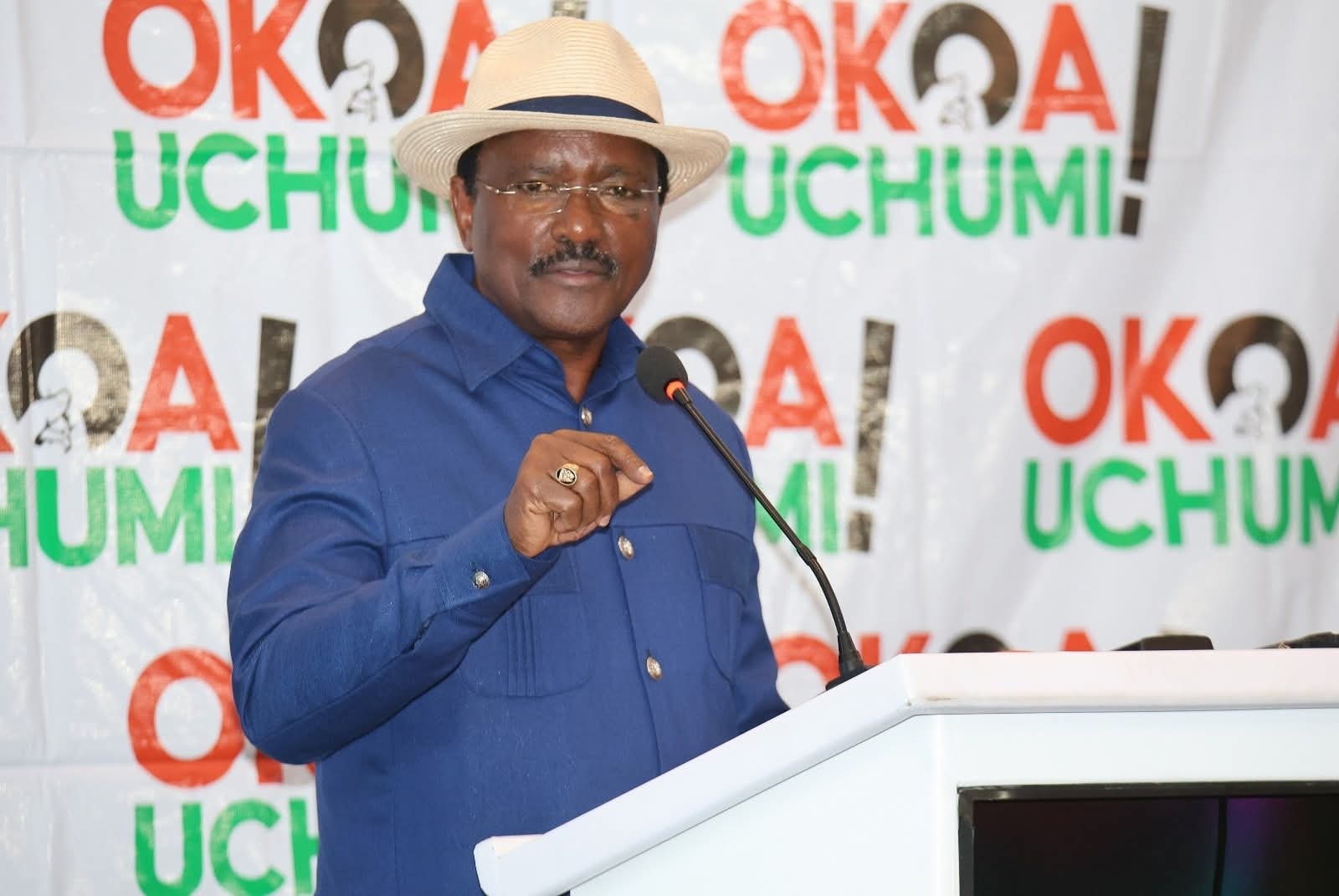
 Wiper Party Leader Dr. Stephen Kalonzo Musyoka Speaking in Nairobi during the launch of the People’s Audit Report by TISA and the Okoa Uchumi Campaign. Photo Courtesy.


By Andrew Mbuva
Wiper Party Leader Dr. Stephen Kalonzo Musyoka has issued one of his strongest rebukes yet against what he termed reckless financial management, entrenched corruption, and an unconstitutional push to dispose of Kenya’s strategic national assets.
Speaking in Nairobi during the launch of the People’s Audit Report by TISA and the Okoa Uchumi Campaign, Kalonzo said the report paints a disturbing and undeniable picture of a country drifting toward economic danger unless urgent reforms are implemented.
He lauded the organisers for producing what he described as “a factual, unvarnished picture” of how public finances are being mishandled, insisting that the findings mirror the everyday struggles felt by millions of Kenyans.
With an IMF Governance and Corruption Diagnostic expected soon, he said the report serves as a timely reminder that Kenya must confront its own failures before external actors do so.
Kalonzo warned that Kenya’s soaring public debt—now above KSh 12 trillion—has become a national emergency. He noted that the problem is not merely the size of the debt, but the irresponsible decisions that accumulated it.
According to him, the country has been cornered through unnecessary borrowing, inflated and abandoned projects, questionable procurement processes, and the weakening of critical oversight institutions meant to protect the public purse.
He accused certain government actors of turning budgeting into a personal enrichment scheme and treating public resources as private wealth.
In a passionate section of his address, Kalonzo condemned what he described as the rushed and opaque sale of critical national assets such as Safaricom, JKIA, and Kenya Pipeline.
He insisted that these attempts violate the Constitution and endanger Kenya’s sovereignty. Calling the trend unacceptable, he warned that Kenya cannot secure prosperity by selling its inheritance and argued that no nation has ever developed by secretly mortgaging assets meant to secure the future.
He criticised the administration’s claims of steering Kenya toward a “Singapore-like” model, saying the comparison is misleading because Singapore was built on discipline, accountability, and an ironclad intolerance for corruption—values he said are currently lacking in the Kenyan system.
Kalonzo stressed that public finance remains a sacred public trust, and mismanagement or theft of public resources amounts to a betrayal of the Kenyan people. He urged the country to reject intimidation and the shrinking of civic space, arguing that confident and legitimate governments must always be willing to listen to citizens rather than silence them.
He outlined the urgent need for a transparent and people-centred debt restructuring process, a Parliament that can exercise genuine oversight without interference from the Executive, the protection of the Auditor-General, Controller of Budget, and EACC from political manipulation, and sweeping reforms in procurement and public investment management to end the recurring cycle of inflated contracts and ghost projects.
He insisted that privatization must be conducted openly and with clear regard for public interest, not through hurried attempts to dispose of national assets behind closed doors.
As the country moves toward the 2027 General Election, Kalonzo reaffirmed his commitment to a Kenya where public money is treated with dignity, transparency guides all decisions, national assets are safeguarded, and corruption is confronted rather than defended.
He said Kenyans deserve leadership that is steady, honest, and accountable—and children deserve a future in a country that cannot be bought or sold.
Kalonzo concluded by urging Kenyans to face the truth and take collective responsibility for steering the nation back on course. He said the People’s Audit provides a clear starting point and insisted that Kenya can still be turned around—but only if action is taken now.