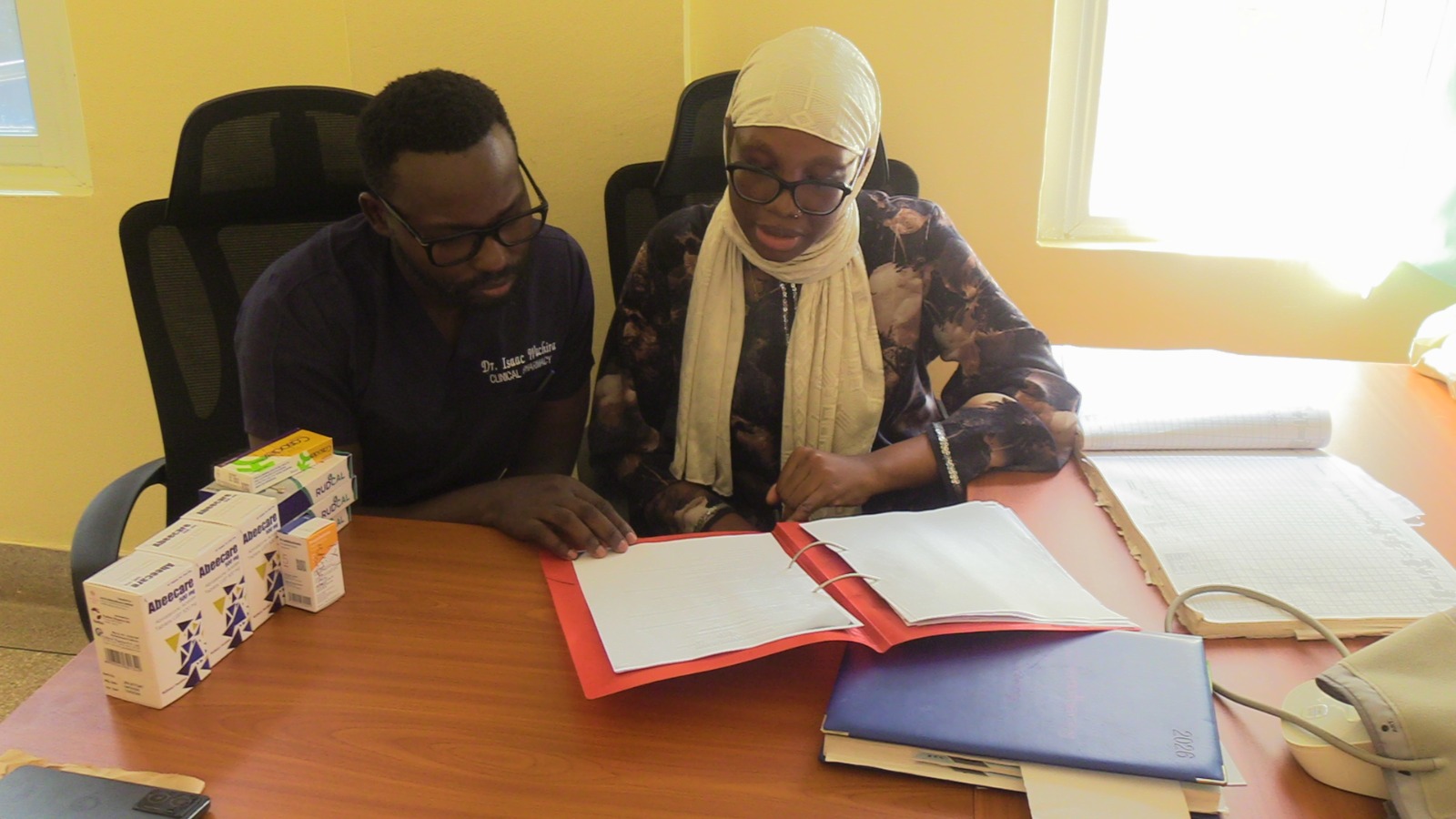
 Kilifi Cancer Center Oncologists Dr Amina Zuma and Dr Isaac Wachira consult as they prepare to treat a cancer patient at the facility. Photo by Ben Okweingoti.


By Ben Okweingoti
Health officials in Kilifi County have raised concern over the rising number of cancer cases, with oncologists warning that many patients are seeking treatment only after the disease has reached advanced stages.
The warning comes as the county government launches a cancer centre at the (KCRH), aimed at bringing screening and treatment services closer to residents and reducing the burden of travelling long distances for specialised care.
According to oncologists at the facility, at least 10 cancer cases are being identified every week through mobile screening exercises, with the actual number believed to be higher due to low public participation in screening programmes.
Dr Amina Zuma, an oncology clinician, said prostate cancer remains the most common cancer among men in the county, while cervical and breast cancers continue to pose a significant threat to women.
“Cancer in Kilifi is on the rise. Most of the cancers in males are prostate cancer, and many of the cases we are getting here are already at stage four, where treatment is mainly palliative,” Dr Zuma said.
She urged men to undergo regular screening and seek medical attention early to increase the chances of successful treatment.
“For females, the most common cancer is cervical cancer. The county has invested heavily in HPV screening and the immunisation of girls below the age of 10 years,” she said.
Dr Zuma said increased public awareness campaigns by the county health department and partners, including the Aga Khan Foundation, had encouraged more residents to turn up for screening.
“We are doing screening at the grassroots level, treating precancerous lesions and offering chemotherapy, which is catered for by the Social Health Authority (SHA),” she said.
Dr Isaac Wachira, a clinical pharmacist specialising in oncology, advised individuals with a strong family history of cancer to begin screening early, noting that some inherited genes can increase the risk of developing certain cancers.
He recommended screening for men aged above 40 years, particularly those with a family history of prostate cancer, and urged families with cancer cases on either the paternal or maternal side to seek medical advice.
Wachira also cautioned cancer patients against relying on unverified herbal medicines, warning that such remedies could worsen their condition and damage vital organs, particularly the liver.
He said many patients who abandon conventional treatment for herbal remedies return to hospital when the disease has already spread, making curative treatment difficult or impossible.
“Most of the conventional drugs used in cancer treatment undergo rigorous testing for safety and effectiveness. Patients who return after using herbal medicines often come when the disease has metastasised, and the goal of treatment changes from curative to palliative care,” he said.
He added that some patients become too weak to tolerate chemotherapy after suffering complications linked to herbal medication, leaving doctors with no option but to provide supportive care.
KCRH Chief Executive Officer Dr Gilbert Angore said the new cancer centre had eased the financial and logistical burden faced by patients who previously travelled far in search of treatment.
He said the hospital had invested in training doctors and nurses in Egypt before partnering with the Aga Khan Foundation to establish the centre, which currently offers outpatient cancer services.
“One specialist is stationed at Malindi Sub-County Hospital and refers patients to Kilifi whenever they require chemotherapy,” Angore said.
He added that the hospital was planning to expand the facility by establishing a dedicated cancer ward equipped with specialised services, personnel and nutrition support.
“We are going to train more doctors, clinicians and nurses and recruit additional staff to ensure that cancer patients receive comprehensive care,” he said.
For 67-year-old Valentine Katana from Madunguni village in Malindi Sub-County, the new centre has provided much-needed relief after he was diagnosed at Malindi Sub-County Hospital and referred to Kilifi.
Katana said he had undergone screening and tests and had since started chemotherapy.
“I realised my cancer at Malindi Sub-County Hospital and was referred here to Kilifi, where the treatment process began. I have started the medicine and I pray that I get healed,” he said.
Health officials have urged residents to take advantage of the screening services, while parents have been encouraged to ensure eligible girls receive HPV vaccination as part of efforts to prevent cervical cancer.