


By Andrew Mbuva.
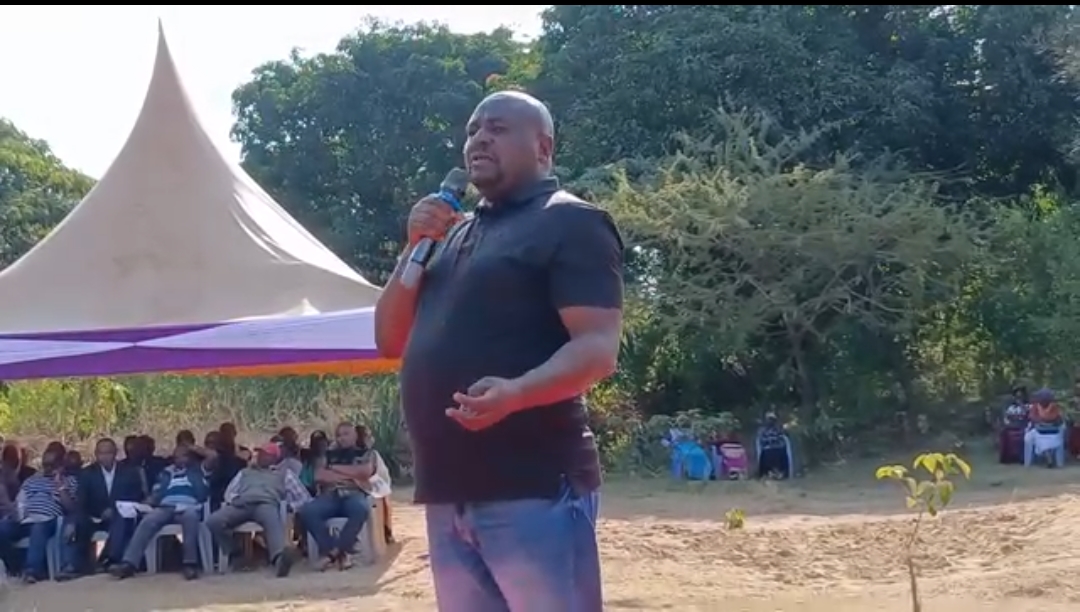
Makueni Governor Mutula Kilonzo Jnr has accused the national government of failing to address persistent crocodile attacks along the Athi River, saying residents—particularly women and children—continue to risk their lives while searching for water.
Mutula said many people from Makueni had lost their lives after venturing into the river to fetch water for domestic use and livestock, blaming the government’s failure to provide compensation to families affected by the attacks.
“As people of Makueni and this region bordering the Athi River, we have lost many people, especially children and women who go to fetch water,” the governor said.
He added that the suffering had been compounded by what he described as the national government’s refusal to compensate victims of crocodile attacks, leaving affected families to bear the consequences alone.
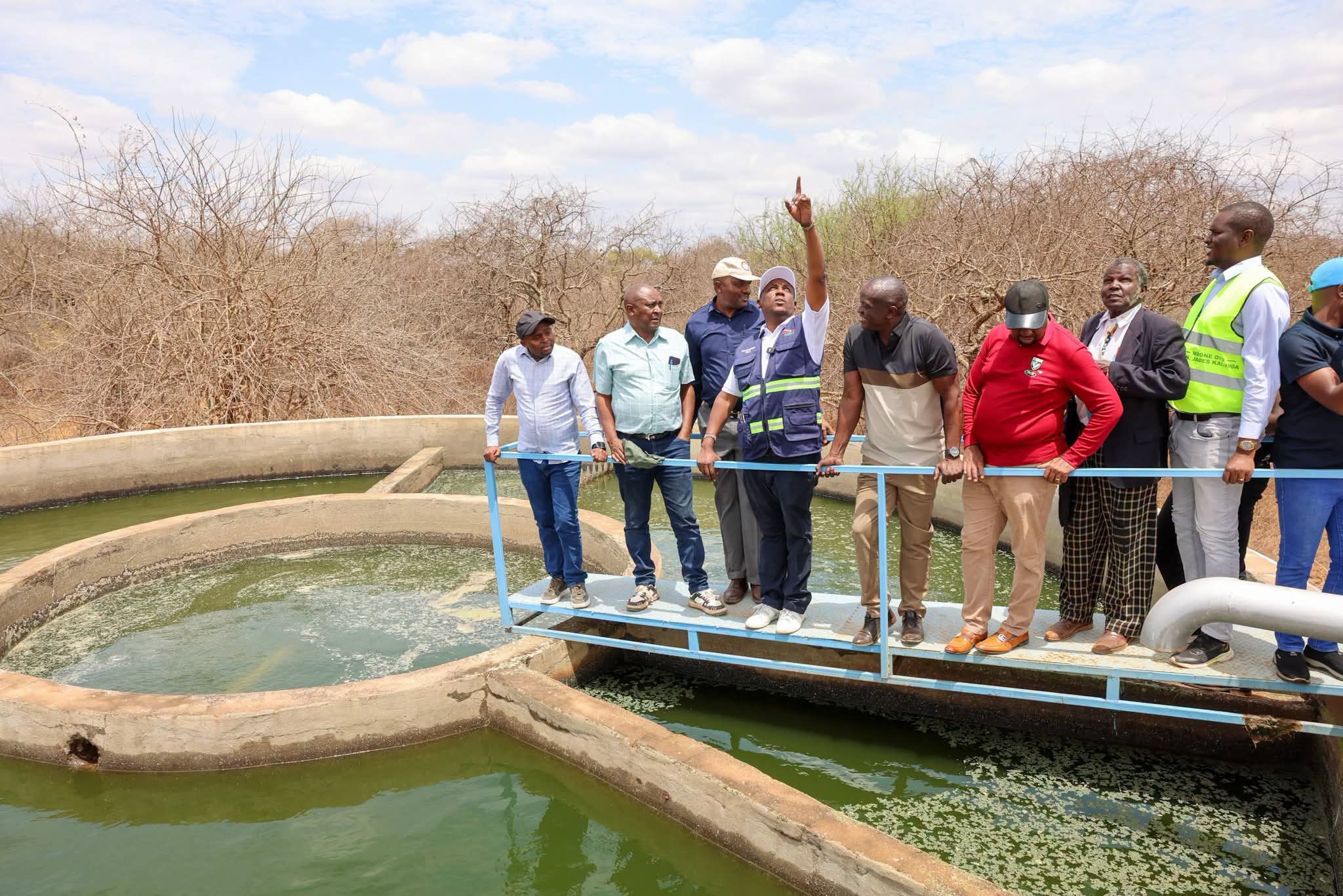
The governor was speaking on Tuesday during the commissioning of the newly rehabilitated and extended Athi Tunguni Water Project in Kikumbulyu North, where he said the county government had been forced to intervene to prevent residents from risking their lives at the river.
Mutula recalled an incident in Kitise where the county sought assistance from the Kenya Wildlife Service (KWS) to help bring water closer to residents so they could stop crossing into crocodile-infested sections of the river.
“We had an incident in Kitise where we asked Kenya Wildlife Service to help us bring water closer so that the people of Kitise would stop suffering, but they avoided the issue,” he said.
The governor said the county government subsequently took it upon itself to ensure residents no longer depended on the dangerous river for water.
“We have sacrificed as the Makueni Government to ensure that our women, our mothers and their children do not go to River Athi to fetch water, and that their livestock do not go there either,” Mutula said.
He explained that the county had invested in the Athi Tunguni project to draw water from the upper side of the river, treat it and distribute it to communities, thereby reducing exposure to crocodile attacks.
“That is why we are bringing water to this side of the river. We take the water, clean it and ensure that our people get safe water,” he said.
Mutula further criticised the national government over the management of the Athi River and the stalled expectations surrounding the Thwake Dam, saying Makueni residents deserved better services as taxpayers and citizens of Kenya.
“The national government was given the responsibility of cleaning River Athi, but it has failed. Thwake Dam has also failed us. We therefore continued with this water project so that the people of Makueni can feel that they are Kenyans, that they are taxpayers and that they deserve to be rewarded,” he said.
The Athi Tunguni Water Project involved extensive rehabilitation and expansion of the existing water treatment and distribution infrastructure.
The works included improvements to the treatment plant through installation of composite filtration units, cleaning of storage tanks, installation of a chemical injector pump and repair of gauges. Three 100-watt solar streetlights were also installed, while elevated tank components were painted.
Major electro-mechanical works included installation of a second submersible pump and accessories. The project also saw the construction of a 7.28-kilometre DN 200 rising main connecting the treatment plant to Mukononi tanks.
A 250-cubic-metre reinforced concrete tank was constructed at Mukononi Hill to improve water storage and distribution, with supply networks extended to parts of Makindu, Kikumbulyu North and Nguumo wards.
The distribution network includes the 5.15-kilometre Mukononi–Musingini–Kamboo line, the 5.1-kilometre Mukononi–Kathyaka–Nyayo Shopping Centre line and the 3.35-kilometre Mukononi–Syumile line.
Four water kiosks were also constructed at Mukononi, Katangoo, Ilumya and Syumile (Muundani), giving residents easier access to treated water and reducing the need to travel to the Athi River.