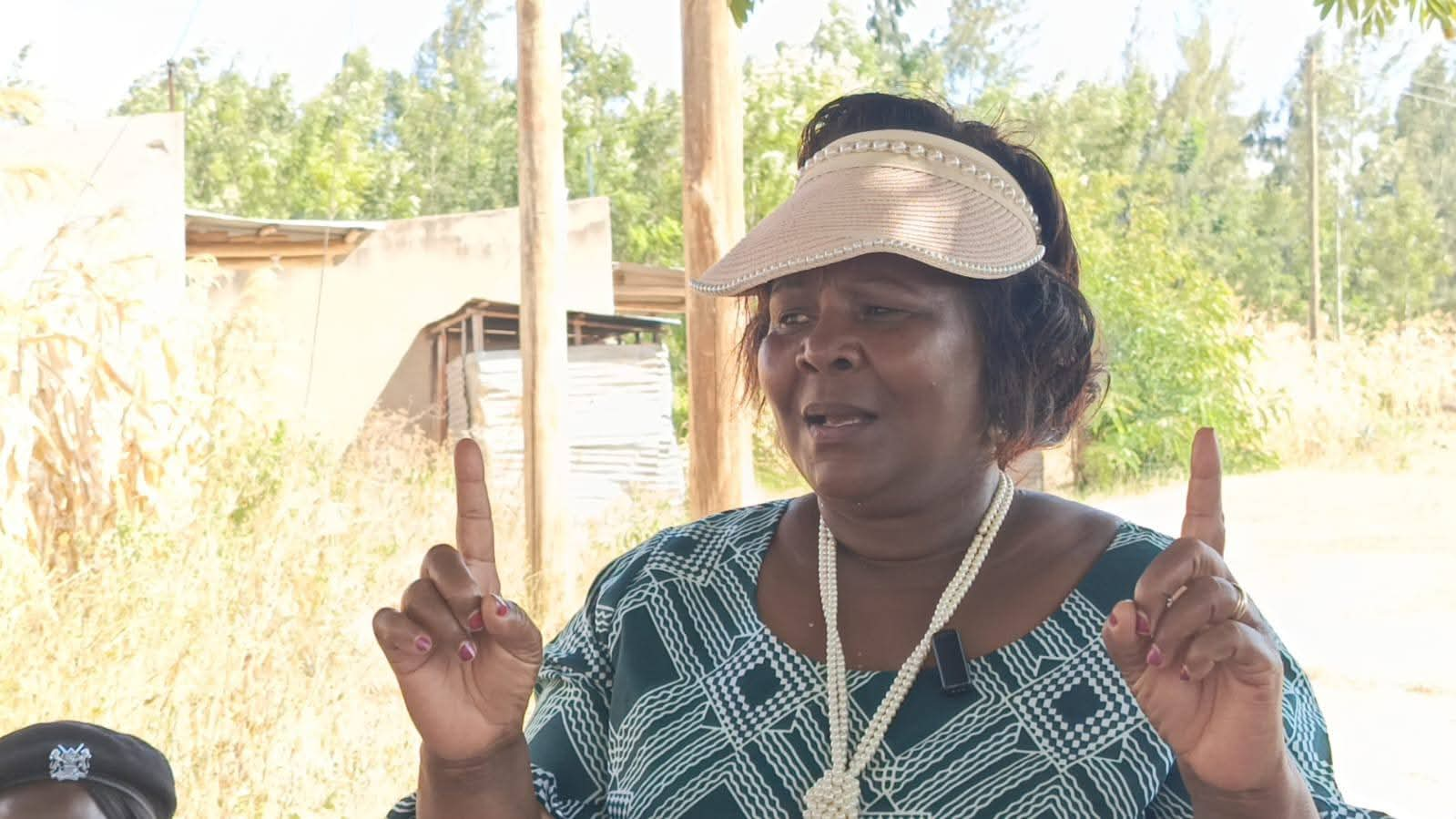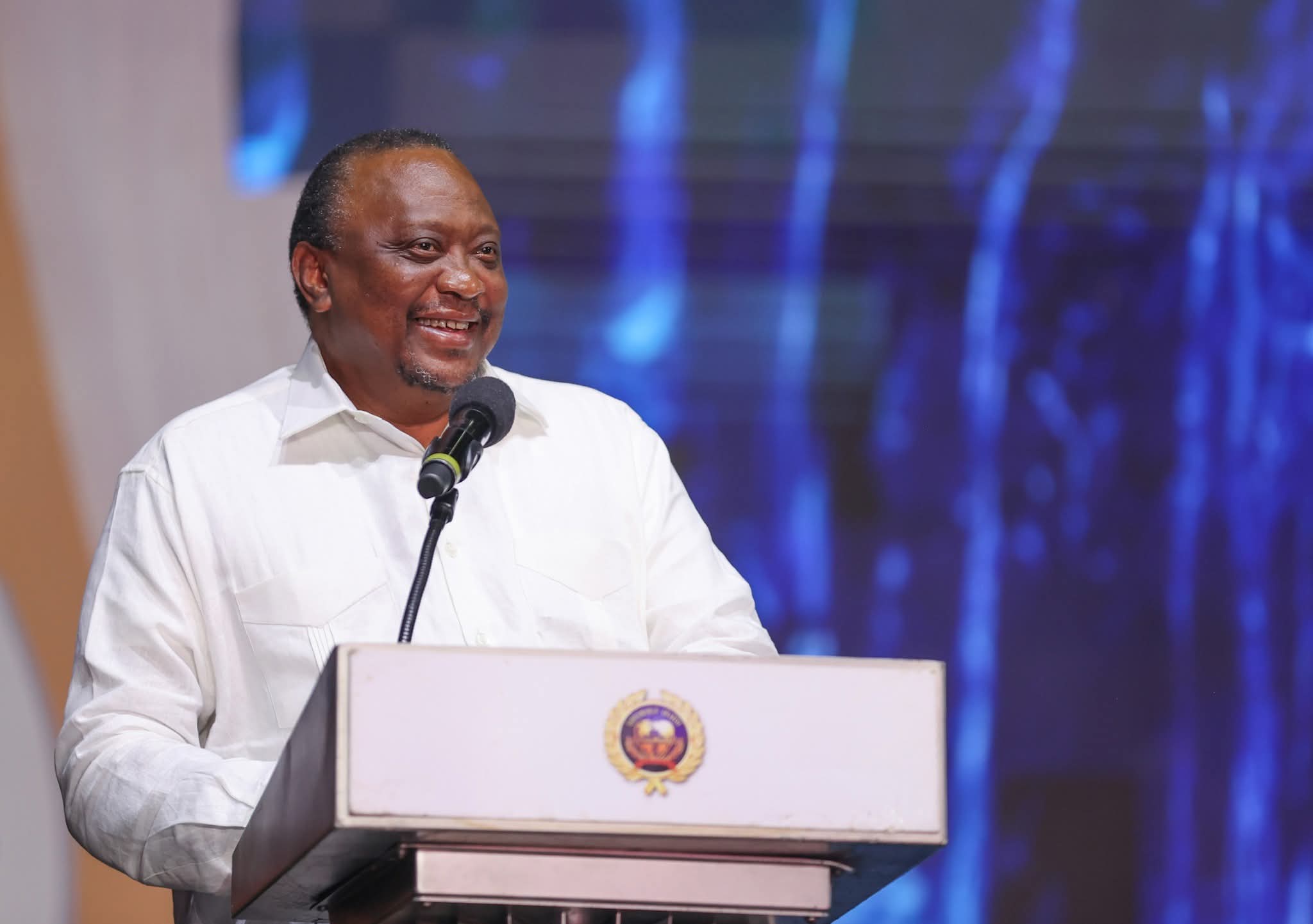
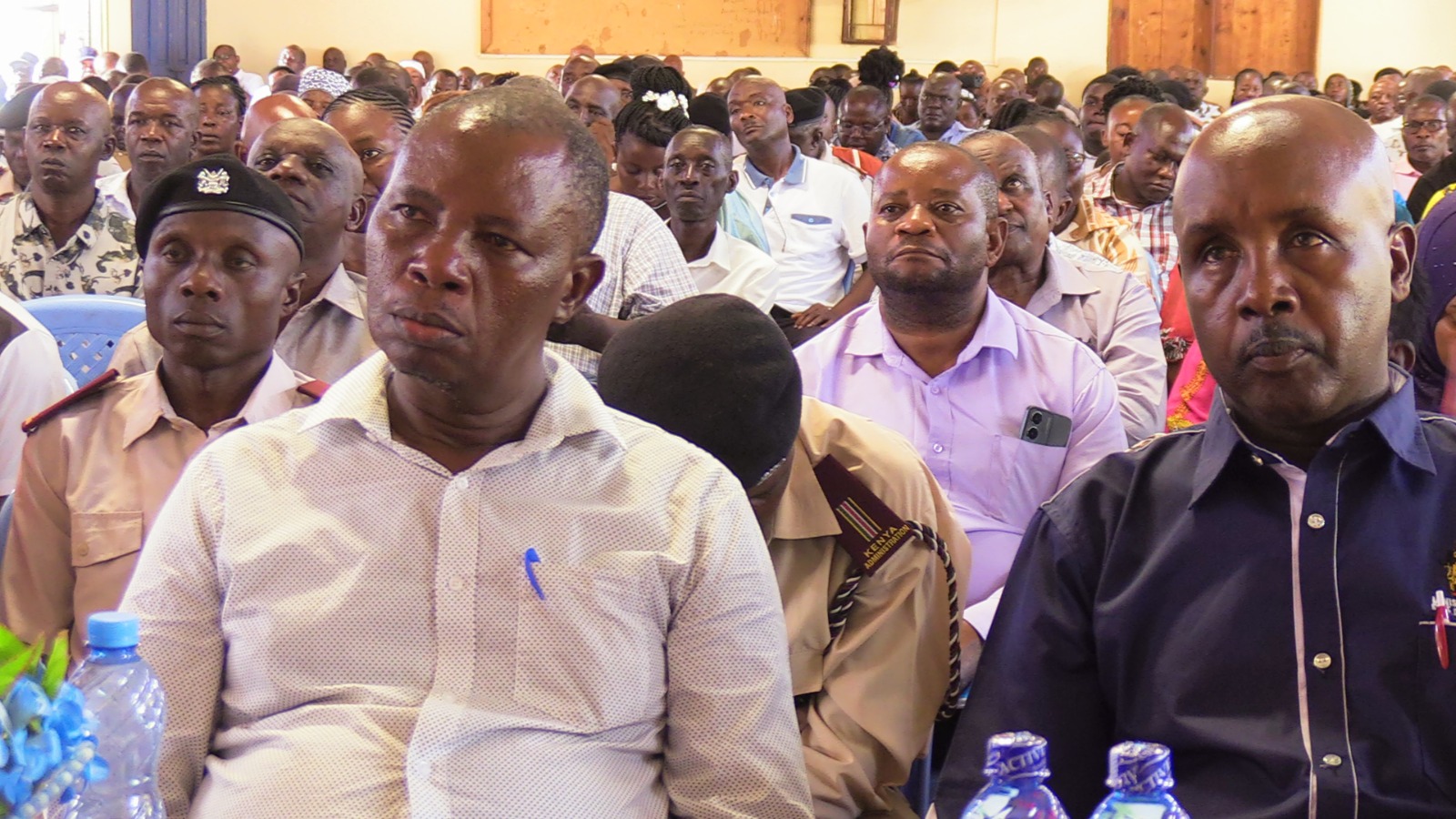
 Education stakeholders follow keenly a public participation exercise on six education related bills at Ngala Memorial Girls high school in Kilifi North Sub County, Kilifi County on September 14, 2026 where a section of stakeholders called for the autonomy of Junior Secondary schools. Photo by Ben Okweingoti.


By Ben Okweingoti.
Education stakeholders in Kilifi and Tana River counties have opposed key provisions in the proposed Basic Education Bill, calling for amendments before the legislation is passed by the National Assembly.
The stakeholders raised concerns over what they termed punitive penalties for unregistered private schools, proposed government regulation of school fees and the decision to domicile junior secondary schools in primary schools.
The National Assembly Departmental Committee on Education and Research is currently conducting public participation on six proposed education reform Bills, which have sparked debate among education stakeholders across the country.
Speaking during the public participation exercise, Kenya Private Schools Association (KPSA) Kilifi County chairman Christopher Kambi said the proposed penalties for owners of unregistered private schools were excessive and could negatively affect the education sector.
Under the proposed Basic Education Bill, an investor operating an unregistered school could face a fine of up to Sh20 million or imprisonment for three years.
Kambi said enforcement should be preceded by due process, including investigations and an opportunity for the accused to explain the circumstances surrounding the school’s registration status.
“Our proposal is that before it reaches that level, there should be due diligence and the accused should be given time to explain. There should be room for dialogue,” he said.
He further proposed that private school owners be required to join KPSA before seeking registration with the Ministry of Education, arguing that the association could help ensure institutions meet the required legal and operational standards.
Kambi also opposed provisions seeking to regulate school fees, insisting that private schools should retain the freedom to determine their charges based on their operational costs and individual circumstances.
“The bill also proposes regulations on school fees, which we have opposed. We recommend that we be allowed to set our own fee structures because we cannot wait for the government to dictate to us the school fees,” he said.
Meanwhile, Kenya Union of Post-Primary Education Teachers (KUPPET) Kilifi branch executive secretary Opolo Kopolo called for the establishment of autonomous junior secondary schools to improve efficiency and ensure learners receive better services.
Kopolo criticised the introduction of comprehensive schools, arguing that the decision to place junior secondary schools within primary schools had created unnecessary financial and administrative burdens for the government.
He said the arrangement had resulted in the employment of additional teachers for junior schools despite the availability of human resources in senior secondary schools.
“The introduction of comprehensive schools was a very dangerous move. The government has spent a lot of money because of the mistake made by the presidential working party, which listened to emotions rather than facts,” Kopolo said.
He urged the government to reconsider the structure and establish independent junior secondary schools, saying the additional expenditure would be justified if it improved the quality of education.
“The government should not be afraid of spending money in creating an autonomous junior school so that we can help that learner,” he added.
The six Bills under review include the Basic Education (Amendment) Bill, 2026; the Tertiary Education, Placement and Funding Bill; the Pre-Service Education and In-Service Training Bill, 2026; the Kenya Institute of Curriculum Development (Amendment) Bill, 2026; the Kenya National Educational Assessments Council Bill, 2026; and the Kenya National Qualifications Framework (Amendment) Bill, 2026.
Kitutu Masaba MP Clive Gisairo, who led the committee, said the proposed laws were intended to address critical challenges facing Kenya’s education system, including tertiary education funding, teacher training, basic education, curriculum development, national assessments and qualifications.
“We have come to Tana River and Kilifi counties for public participation and to hear the opinions and views of stakeholders,” Gisairo said.