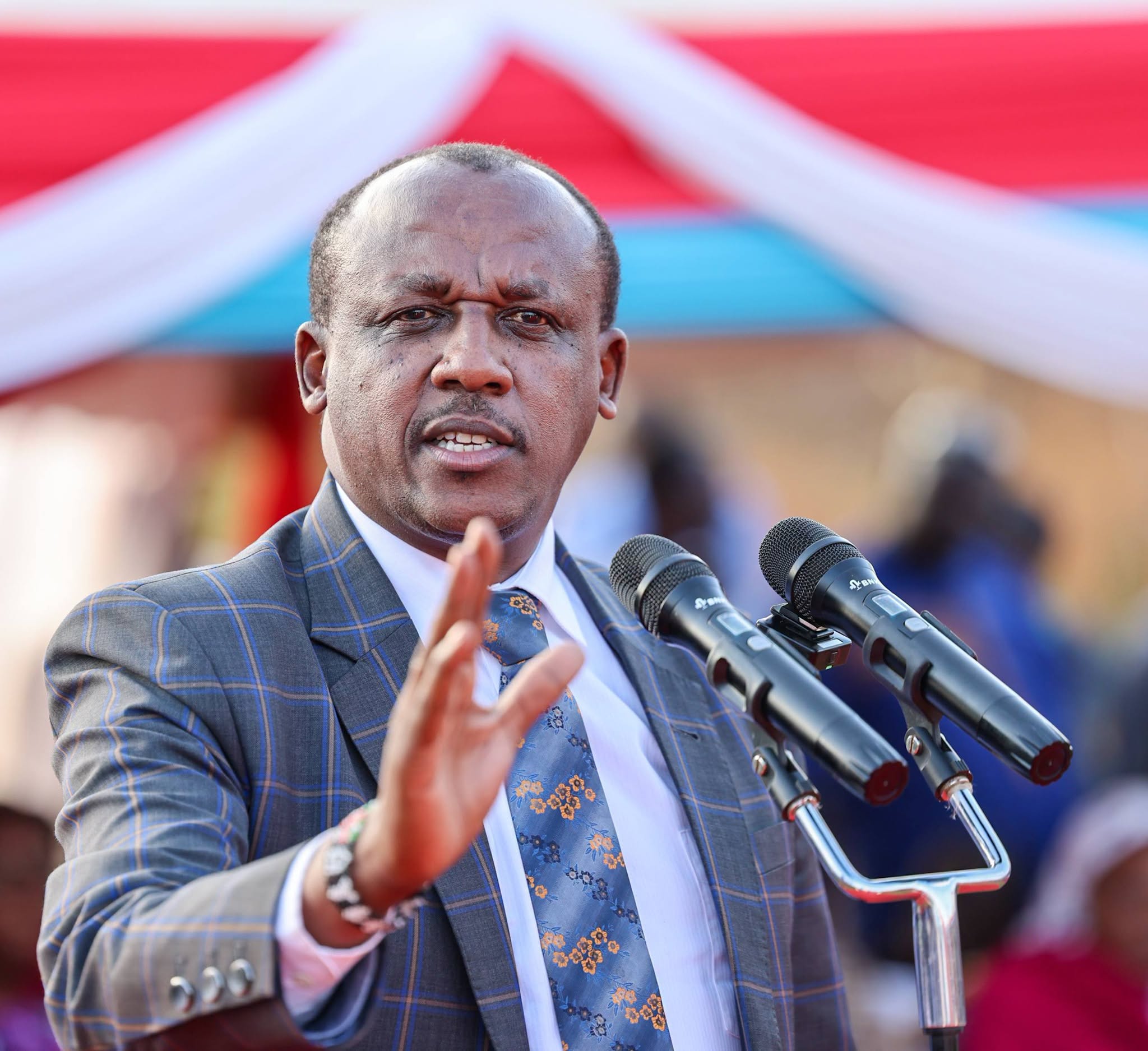
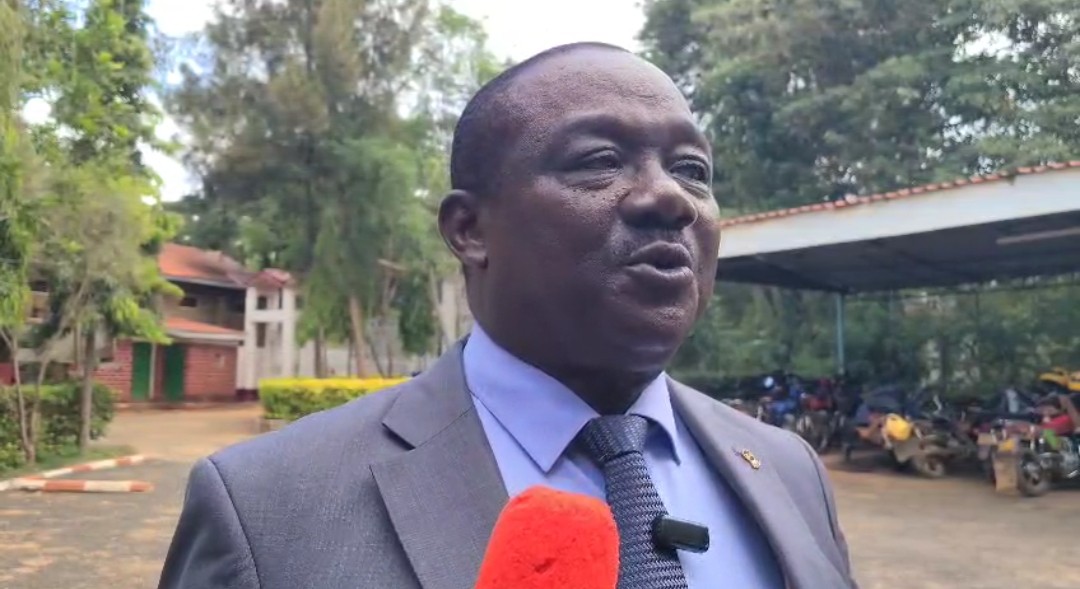
 The Chairperson of the Makueni County Kenya Secondary Schools Heads Association (KESSHA), Dr. Johnston Muia Mdivo. Photo by Andrew Mbuva.


By Andrew Mbuva.
The Chairperson of the Makueni County Kenya Secondary Schools Heads Association (KESSHA), Dr. Johnston Muia Ndivo, has called on the Government to intervene and dismantle what he described as a coordinated communication network allegedly being used by students across schools to organize strikes and unrest.
Speaking during an interview with Soo TV, Dr. Ndivo expressed concern over the rising cases of student unrest witnessed at the beginning of the second term, saying the trend was disrupting learning in many schools across the country.
According to the KESSHA chair, several schools in Makueni County have already experienced unrest this term, despite schools having reopened smoothly.
“We started this term very well, though we have seen some schools go on rampage. In Makueni, we have about five schools affected, but in other counties the situation is even worse,” said Dr. Ndivo.
He noted that during a recent national meeting with fellow school heads, reports indicated that more than 10 schools in counties such as Embu and Taveta had experienced unrest, while some regions recorded over 20 affected schools.
Dr. Ndivo termed the situation unfortunate, especially because it was happening at the start of the academic term before meaningful curriculum coverage had begun.
“It is not a good thing, especially at the beginning of the term when we have done almost nothing concerning the curriculum,” he said.
The educationist, who is also the Principal Matiliku Boys', now wants parents, teachers and the Government to work together to address the growing challenge before it escalates further.
Of particular concern, he said, is an alleged organized communication system among students from different schools, which he claimed is being used to coordinate strikes simultaneously.
“We have information that students from different schools have formed communication channels where they communicate with one another. They are even using school computer laboratories to pass information, especially when planning unrest and strikes,” he alleged.
Dr. Ndivo said the existence of such communication explains why unrest in one school is often quickly followed by disturbances in another institution.
“No wonder whenever you hear one school has gone on strike, another one immediately follows,” he added.
The KESSHA chair has now appealed to the Government to help schools cut off the alleged communication networks, arguing that the same channels are also being misused in examination cheating.
“We want to request the Government to assist us, especially in cutting off this kind of communication because it is the same communication used in cheating during KCSE and even Grade Nine examinations,” he said.
He further called for stricter enforcement of rules banning mobile phones in schools and tighter control of access to school computers and internet services.
“If we can ensure students do not have mobile phones and that computers are locked so that they cannot access one another, then this kind of communication will stop,” he stated.
Among schools in Makueni County that have recently experienced unrest are Kaumoni Boys Secondary School, Kalamba Secondary, Kavuthu Secondary, and St. Paul’s Kyamuthei Secondary School where 13 students were reportedly arrested following a strike incident.
Education stakeholders continue to raise concern over increasing cases of student unrest in secondary schools, with many calling for stronger guidance and counselling programmes, improved communication between school administrations and learners, and closer parental involvement.