


By Andrew Mbuva
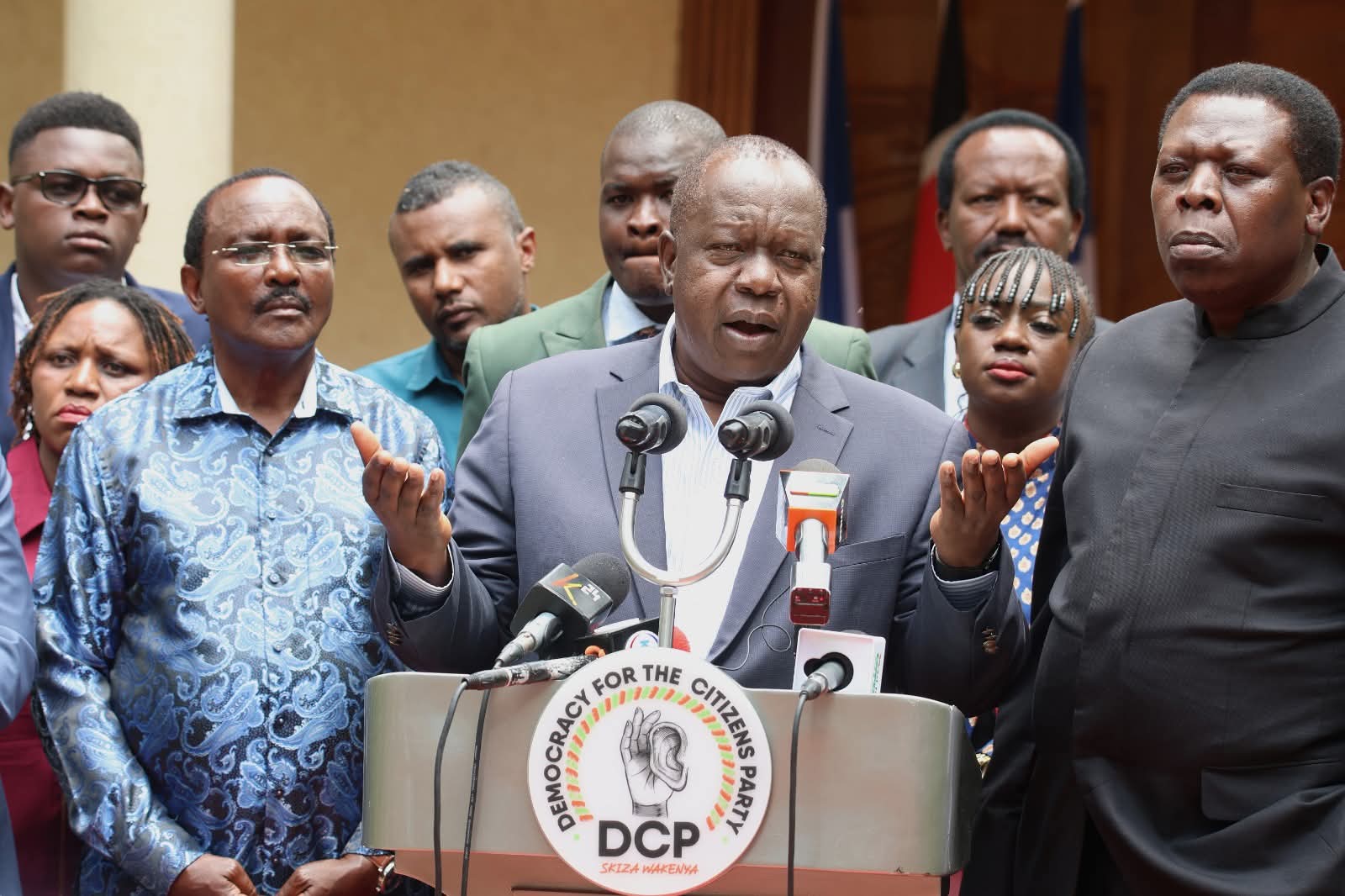
A political storm is brewing over Kenya’s energy sector after the United Alternative Government issued a scathing statement accusing President William Ruto and top state officials of masterminding what it describes as one of the biggest fuel scandals in the country’s history.
In a detailed press statement released on April 15, the opposition coalition alleged that the ongoing surge in fuel prices is not merely a consequence of global market pressures, but a calculated scheme designed to benefit powerful individuals within government.
The coalition claims that recent dramatic arrests of former Petroleum Principal Secretary Mohamed Liban, former Energy and Petroleum Regulatory Authority (EPRA) Director General Daniel Kiptoo, and former Kenya Pipeline Company Managing Director Joe Sang were orchestrated to divert public attention from the real architects of the alleged scandal.
According to the statement, the three officials acted within the law and in line with government directives when they responded to a looming fuel shortage caused by disruptions in global supply chains. The opposition argues that these disruptions were linked to the Middle East crisis, particularly tensions involving the United States and Iran, which affected the transportation of fuel through the strategic Strait of Hormuz.
At the center of the controversy is the Government-to-Government (G-to-G) fuel importation framework involving international oil companies such as Saudi Aramco, Abu Dhabi National Oil Company (ADNOC), and Emirates National Oil Company (ENOC). The opposition alleges that the arrangement was manipulated to favor a network of handpicked local Oil Marketing Companies with links to senior government figures.
The statement further accuses President William Ruto and his associates of interfering with procurement processes to ensure the inclusion of Gulf Energy, a company described as a proxy supplier. It is alleged that this intervention occurred even after the company’s bid had initially been rejected on technical grounds, raising serious concerns about transparency and due process.
As the crisis unfolded, emergency fuel imports were reportedly procured through a competitive process involving multiple oil marketing firms to cushion the country from supply shortages. However, the opposition maintains that this process was later undermined by political interference, effectively distorting the intended safeguards.
The fallout has been felt most acutely at the fuel pumps, where prices have surged sharply. Super petrol increased by KSh 28.69 while diesel rose by KSh 40.30 per litre, marking one of the highest price adjustments since independence.
The opposition contends that these increases are not justified by market conditions alone, but are instead structured to generate significant profits for individuals linked to the alleged scheme, leaving ordinary Kenyans to shoulder the burden through a rising cost of living.
In response, the United Alternative Government is now piling pressure on the administration, calling for urgent corrective measures. The coalition insists that the G-to-G fuel framework should be scrapped, arguing that it has created room for exploitation and conflicts of interest.
It has also demanded accountability from senior government officials, including Energy Cabinet Secretary Opiyo Wandayi and Trade Cabinet Secretary Lee Kinyanjui, whom it accuses of complicity in the unfolding saga.
Further, the opposition is pushing for immediate interventions to ease the economic strain on citizens, including the suspension of fuel-related levies and taxes that continue to drive up pump prices. It is also calling for Parliament to convene a special sitting within seven days to address the crisis and chart a way forward.
By the time of publication, the government had not issued a formal response to the allegations. However, President William Ruto has previously defended his administration’s energy policies, maintaining that ongoing reforms are intended to stabilize supply and shield consumers from volatile global markets.
As pressure mounts and questions continue to swirl, the unfolding fuel saga is poised to become a defining political and economic issue, testing the government’s credibility and its commitment to transparency in managing the country’s critical energy sector.